
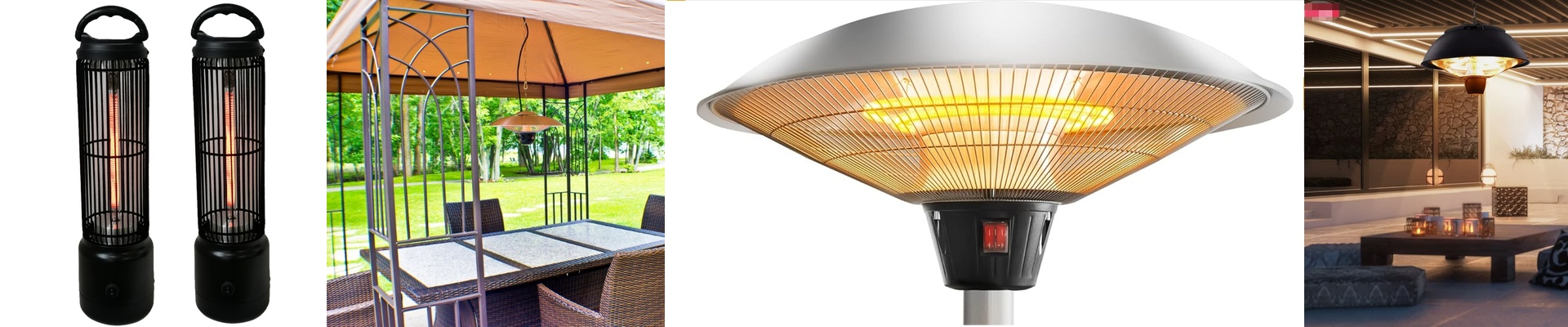
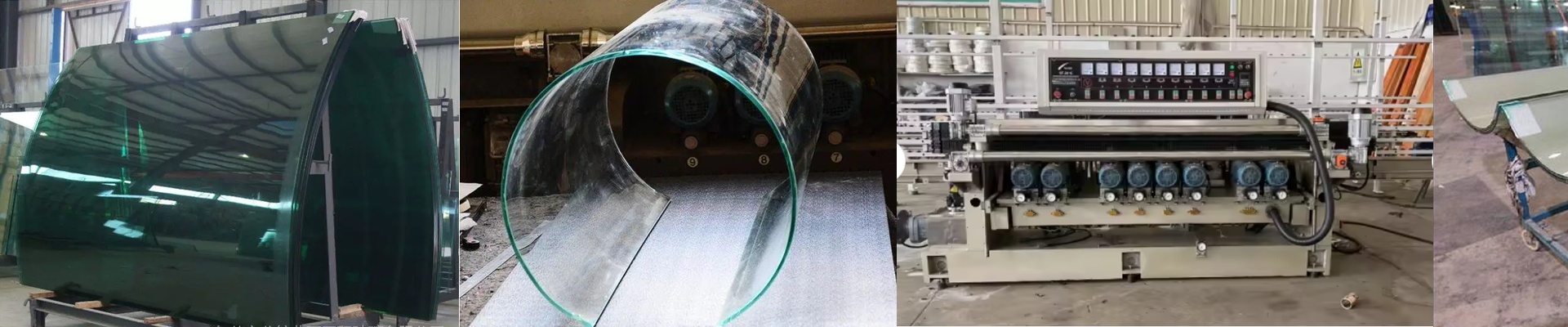
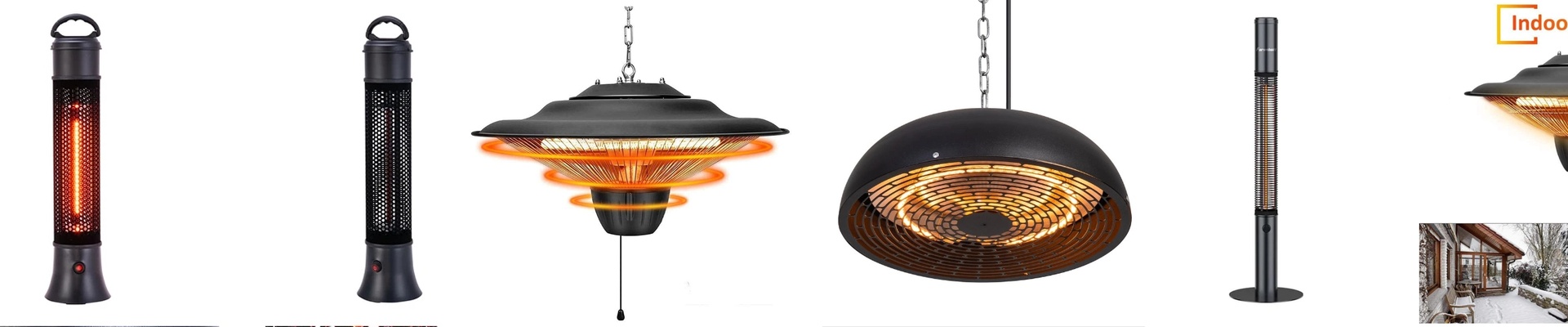
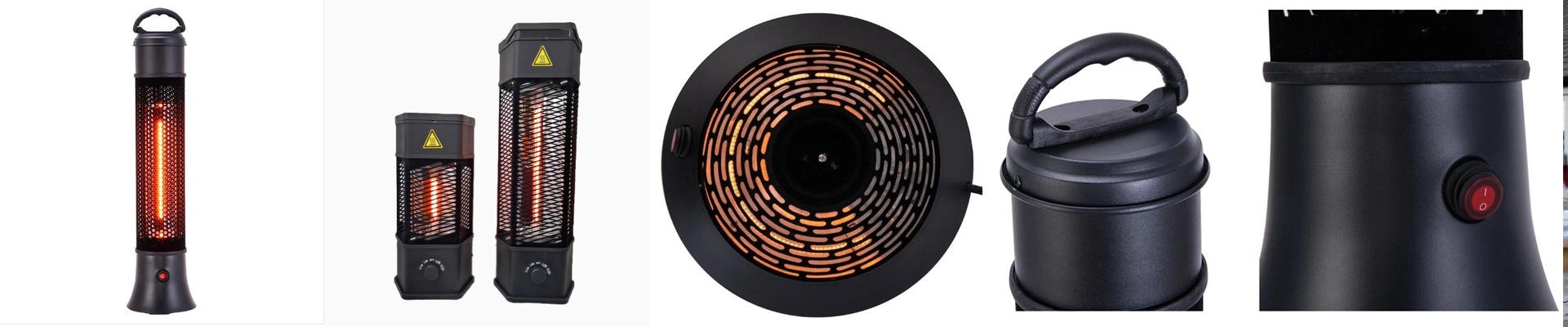
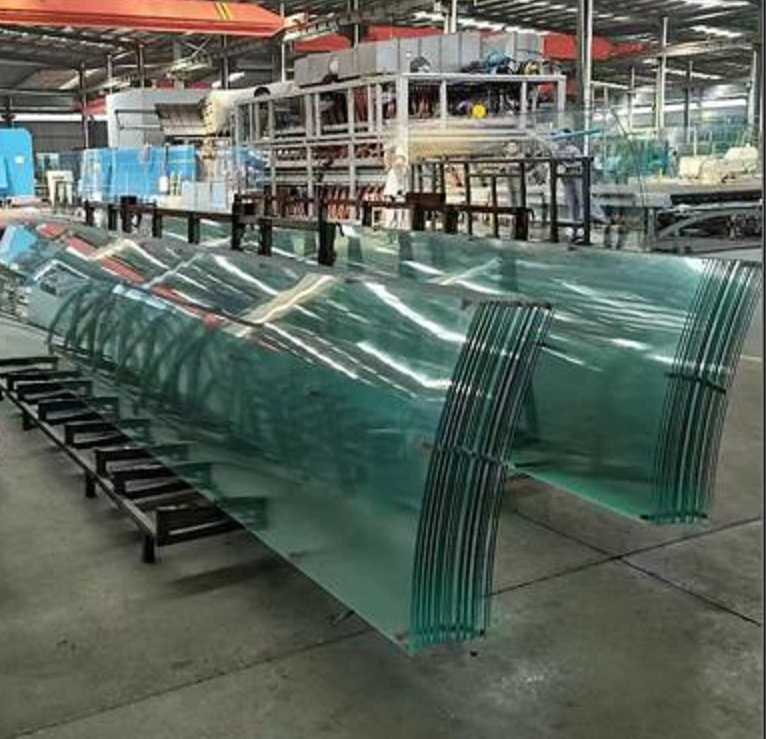
Cutting ultra-thick tempered glass is basically a fight against the material itself. If you’ve ever tried it, you know the drill: the friction is brutal, your cutting wheels wear out way too fast, and the glass has a habit of cracking in ways you just can’t predict. It’s frustrating. We found a way around this by using high-penetration infrared (IR) lamps. Instead of just diving in with the blade, we hit the cutting path with heat first. Getting the heat where it matters Most heaters just warm up the surface, which doesn’t do much for a thick slab. But these shortwave IR lamps are different. They actually sink deep into the glass. Think of it as “softening” the path. By vibrating the molecules along the line where you’re about to cut, the glass becomes less stubborn. When the cutting wheel finally hits, it doesn’t have to fight nearly as hard to make a score. And because you aren’t pushing down with all your might, your blades last much longer. You get way more mileage out of every tool. Precision over power To make this work on thick glass, you need a ton of energy concentrated in one spot. We aren’t trying to heat up the entire shop—that would be a nightmare. Instead, we use a tight, high-energy beam that follows the cutting head exactly. It keeps things stable. When the core of the glass is closer in temperature to the surface, you don’t get that sudden thermal shock that usually leads to a shattered piece of expensive material. The “catch” Now, this isn’t a “plug and play” situation. These lamps get incredibly hot. If you just wire them in and hope for the best, you’ll likely melt your wiring harnesses. You need a cooling system that can actually handle the ambient heat building up around the housing. Placement is everything, too. If that lamp is off by even a couple of millimeters, the wheel hits cold glass. The moment that happens, your tool life plummets. It has to be spot on.