
Why Your Bathroom Heater Keeps Dying (And How to Fix It)
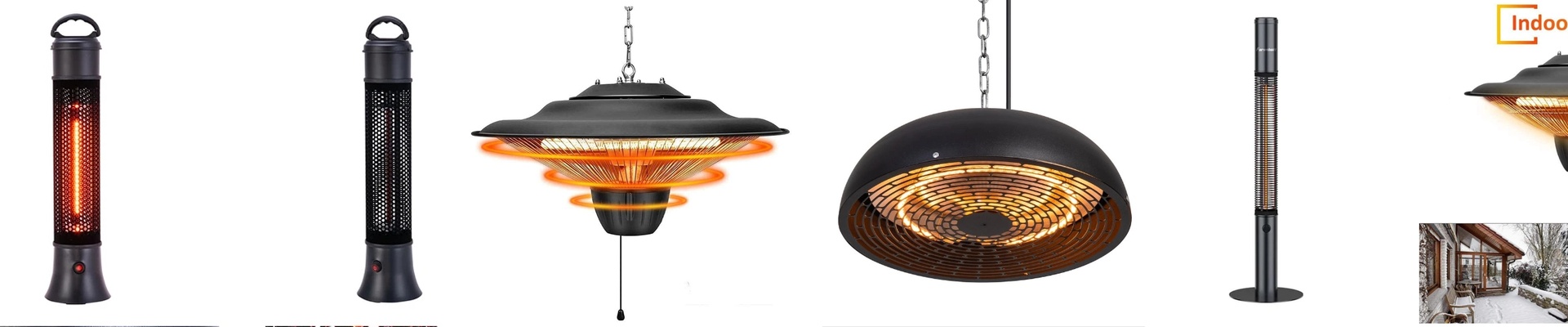
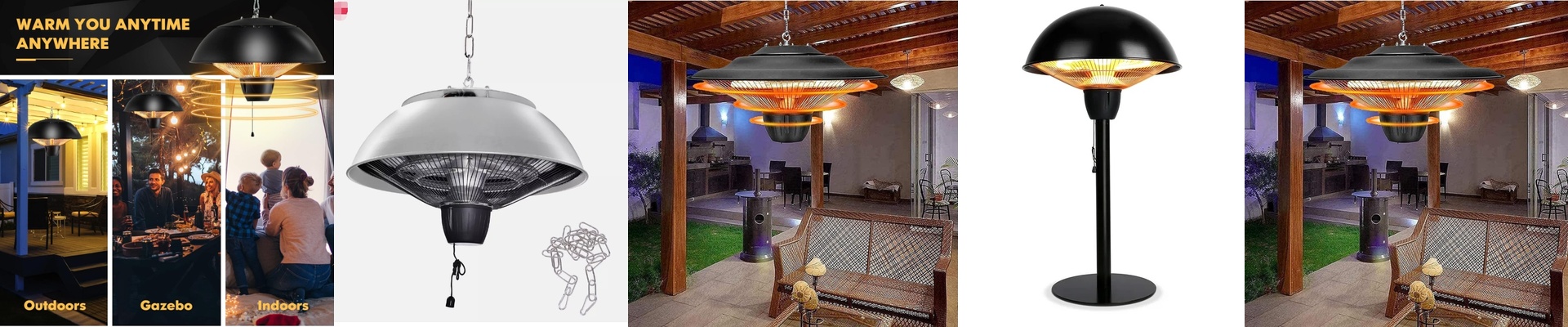
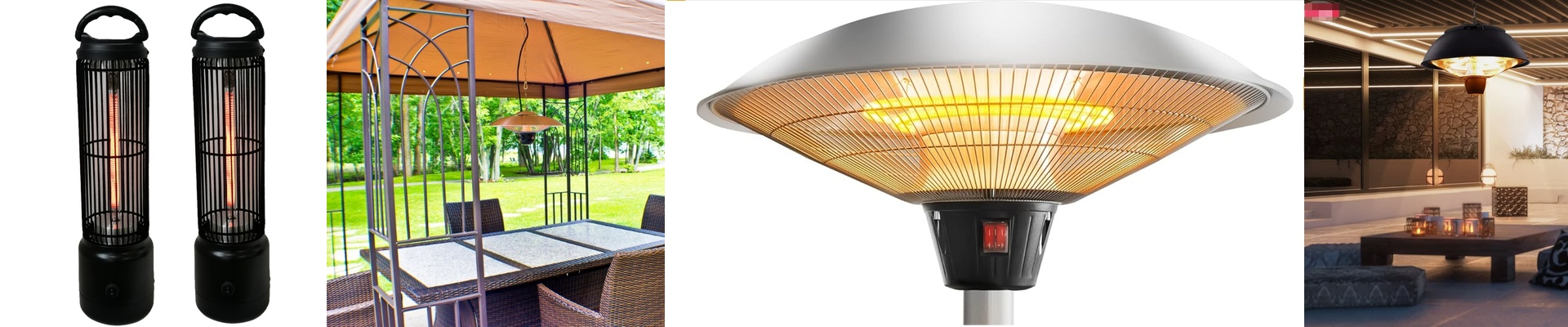
Ever notice how those old-school halogen “light heaters” seem to give up the ghost right when you need them most? It’s not a coincidence. Bathrooms are brutal on electronics. Between the steam and the occasional splash, those open-element lamps just aren’t built for the humidity. That’s why we’re moving toward high-IP rated infrared heaters. Basically, we’ve ditched the exposed parts for sealed systems that can actually handle a steam-filled room without breaking a sweat. The battle against moisture Here is the thing: when water vapor hits a red-hot filament, it oxidizes. Fast. It’s a recipe for a short circuit or, even worse, the glass cracking from the thermal shock. We fix this by using sealed quartz tubes and heavy-duty gaskets. It keeps the guts of the machine dry. If you try to rig up a standard lamp in a shower zone, you’re basically playing a guessing game with when it’s going to burn out or trip your breaker. Feeling the heat instantly There’s a big difference in how these things actually work. Old lamps try to heat up all the air in the room. That takes forever. Infrared is different. It sends out waves that hit you and the walls directly. You feel that warmth the second you flip the switch. No more shivering while you wait for the room to catch up. We use short-wave infrared because it cuts through the damp air and gets the job done way faster. The practical side of things The best part? These usually slide right into your old ceiling fixtures. You get a cleaner look and a lot more punch in a smaller package. But there is a small catch. Because the heating element is tucked away behind a lens to keep the water out, you lose a tiny bit of that raw, searing heat you get from a naked bulb. It’s not a dealbreaker, but it means you can’t just guess on the wattage. You’ll want to check the size of your room first to make sure you’re getting enough power to keep the chill away.