


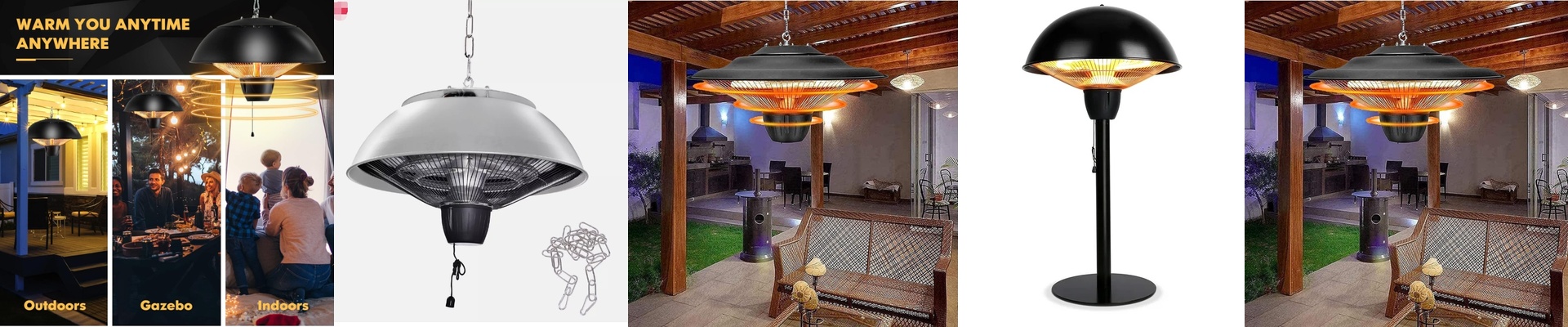
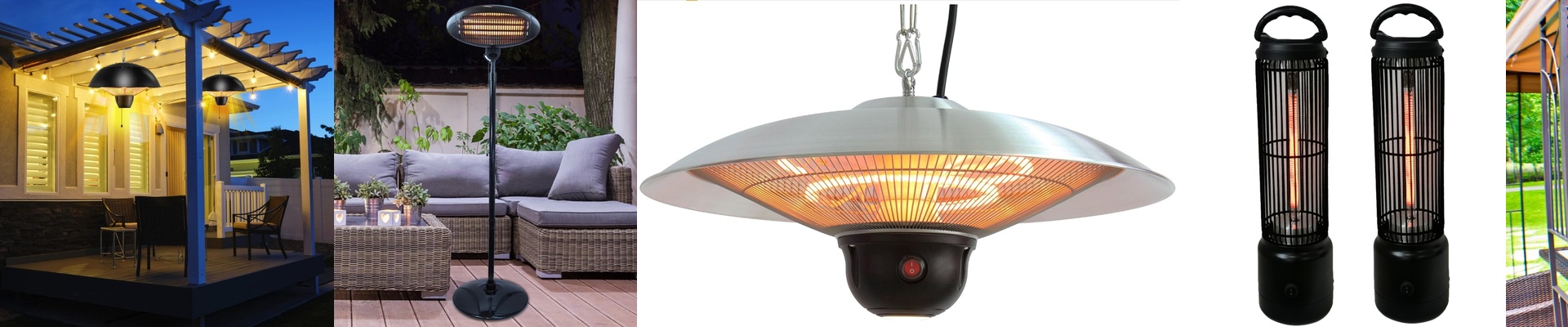

Outdoor evenings are great—until the infrared heater starts sputtering, trips the breaker, or just flat dies. In our shop, most field failures come down to one spot people miss: the lead seal where the power cord meets the heating chamber. When that seal can’t take sustained high heat, the insulation softens, the conductors shift, and short circuits follow. What actually matters under the hood Infrared heaters put out radiant warmth by running an element—usually a quartz tube or carbon fiber—at high temperature. The core has to hold that heat, while the cord stays cool and stable. A manufacturer that knows what they’re doing builds that interface with a two-stage seal. First, a high-temp silicone bushing grips the cord and shuts off airflow. Then a compression gland or potting compound locks the conductors in place and pulls heat away from the joint. We spec the internal junction to run reliably at 200°C and pair it with cord rated for 125°C. Add a thermostat, tip-over protection, and an IP rating that’s appropriate for damp outdoor spots, and you get steady output—without the brittle cracking you see on cheaper assemblies. Why this approach holds up in real use On a chilly patio, you want warmth the moment you sit down, not after the system spends time warming a big volume of air. Infrared delivers that direct comfort, and the sealed lead keeps performance consistent through repeated on/off cycles and long evenings. Because the joint stays dry and doesn’t change dimension, you avoid the intermittent connection that leads to flickering, random shutdowns, and early replacement. Fewer service calls. Steadier heat. And a quieter, more relaxing outdoor routine. A few practical notes from the field The extra sealing adds a bit of bulk where the cord enters, so plan for slightly less slack and keep the cord off sharp edges. Also, match the heater to an outdoor-rated outlet and circuit that lines up with the unit’s amperage. If you must use an extension cord, go short and heavy-gauge—outdoor rated—so you don’t get voltage drop and extra heat at the plug.