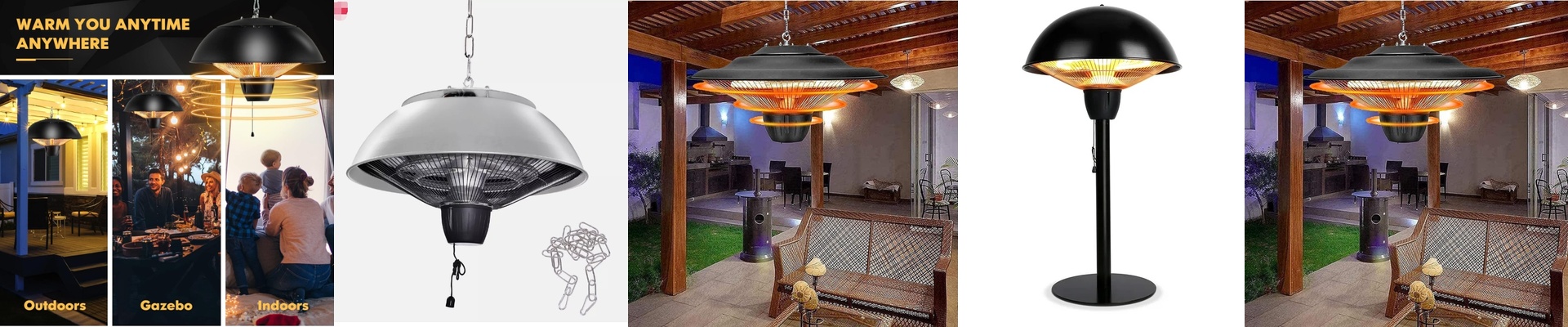




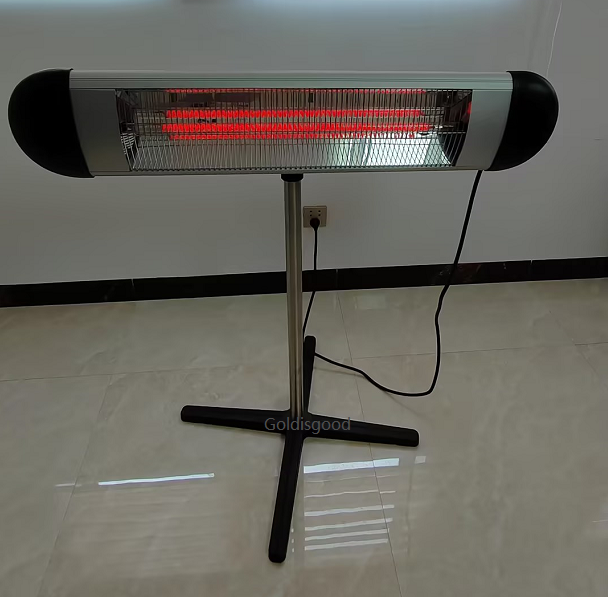
When winter really digs in, the electric bill doesn’t lie. Traditional electric oil-filled radiators feel sluggish and bulky, and too often the heat just pools around the unit instead of getting to you. Infrared space heaters shift the feel—and the numbers—by delivering radiant warmth that heats people and objects directly, not the air around them.
What matters under the hood
Infrared heaters use a high-efficiency radiant element—usually a carbon fiber or quartz tube—to put out immediate, directional heat. The warmth hits the moment the unit starts, with no long warm-up. Most models run on 120V outlets and draw 1200–1500W, so you can add heat to a room without rewiring. App control is genuinely useful in practice: set schedules, tweak your comfort target, and keep an eye on energy use right from your phone. Safety is built in, too—tip-over protection, an overheat cutoff, and housing that stays cool to the touch.
Why this approach works
The payoff is efficiency you can feel and track. In side-by-side use, infrared heaters can deliver the same perceived comfort at a lower wattage than many oil-filled units, because the heat goes where you actually sit. That means less electricity consumed while you stay warm. So you get lower energy bills, and a space that heats up faster when you walk in. With app control, you can preheat only when you need it, instead of wasting power by leaving a heater running all day.
What to keep in mind
Infrared heat is directional, so placement matters. Point it toward the seating area, not a wall. For outdoor use, look for an IP rating suitable for damp locations and keep the unit sheltered from heavy rain. And here’s the catch: infrared heats quickly, but it doesn’t warm the air the way convection heaters do. If a room is very drafty, you may need to address air sealing as well.