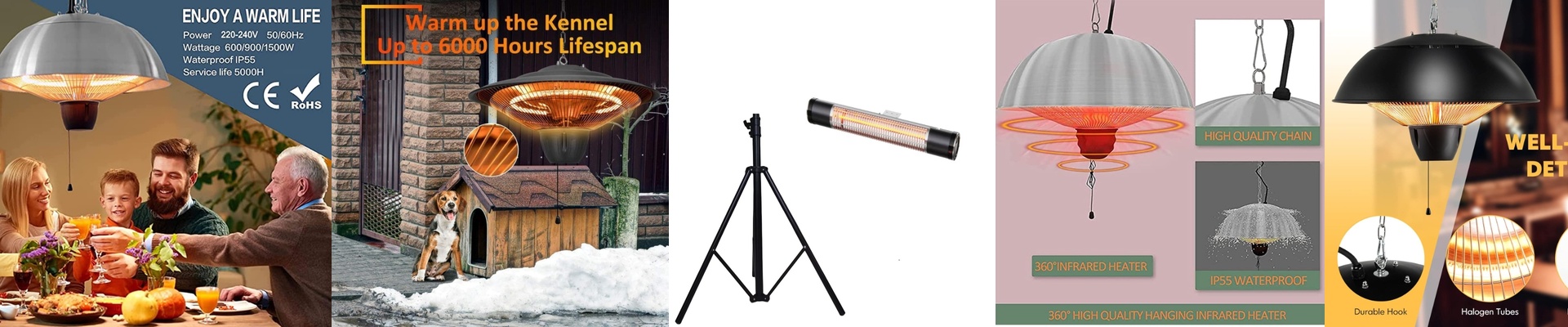
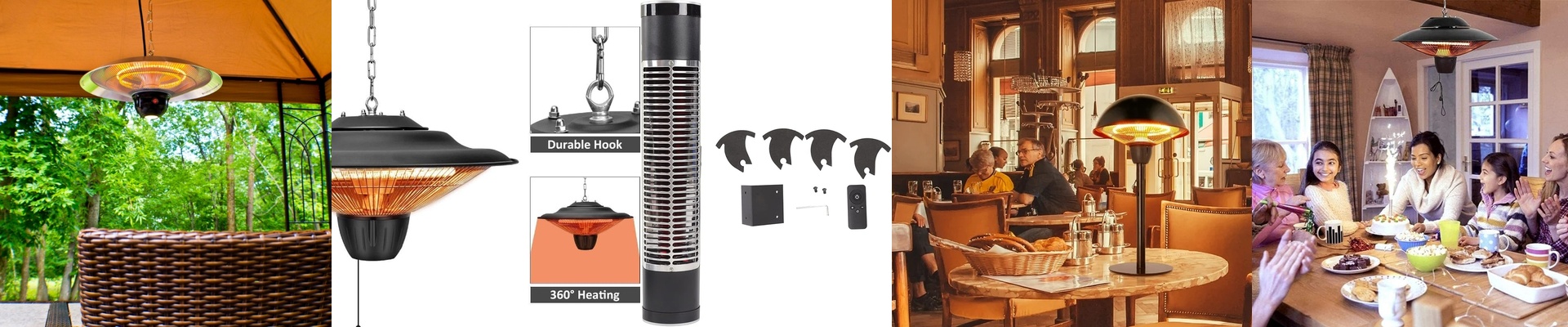
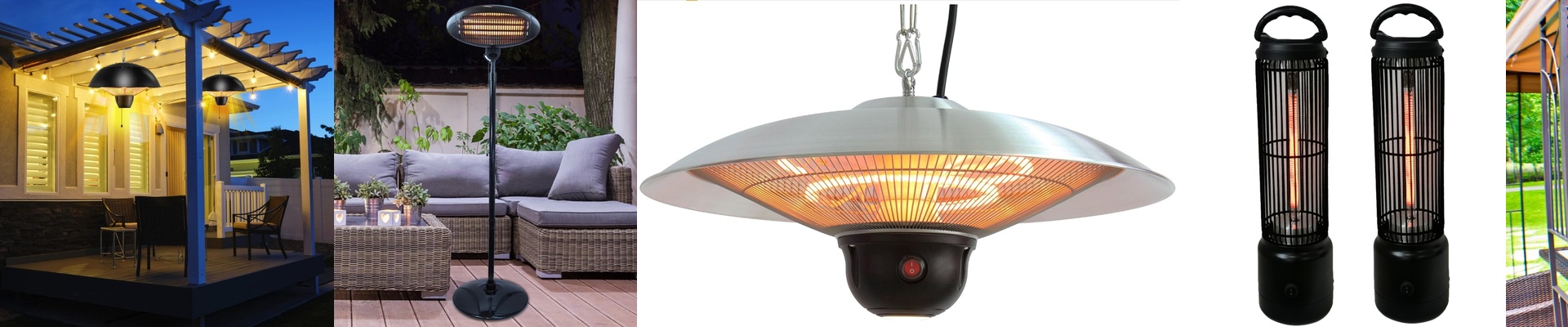
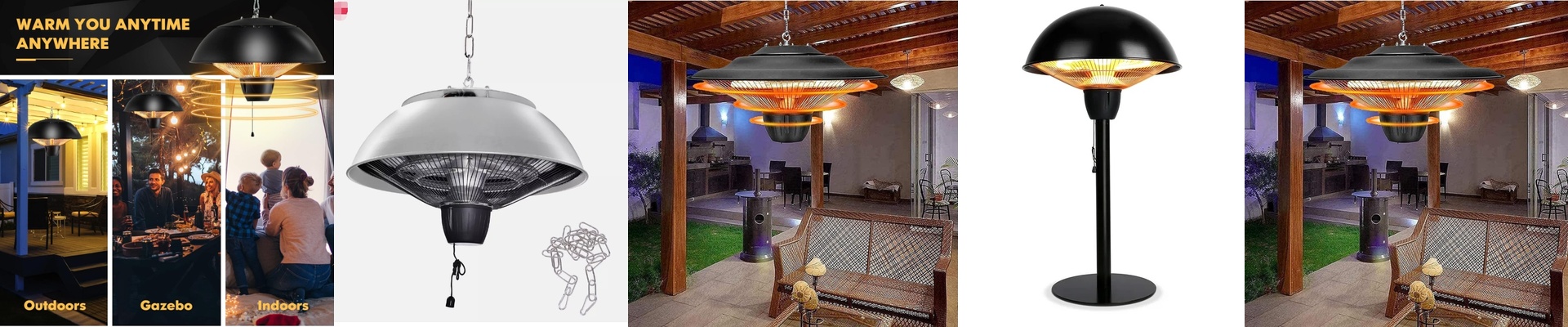
Once the sun drops and the air bites, a restaurant patio empties fast. Guests don’t stick around when they’re cold, and servers feel the hit when tables stay empty. The problem with a lot of traditional heaters? They send heat straight up, wasting energy and giving people only a passing warm feeling.
What actually matters under the hood
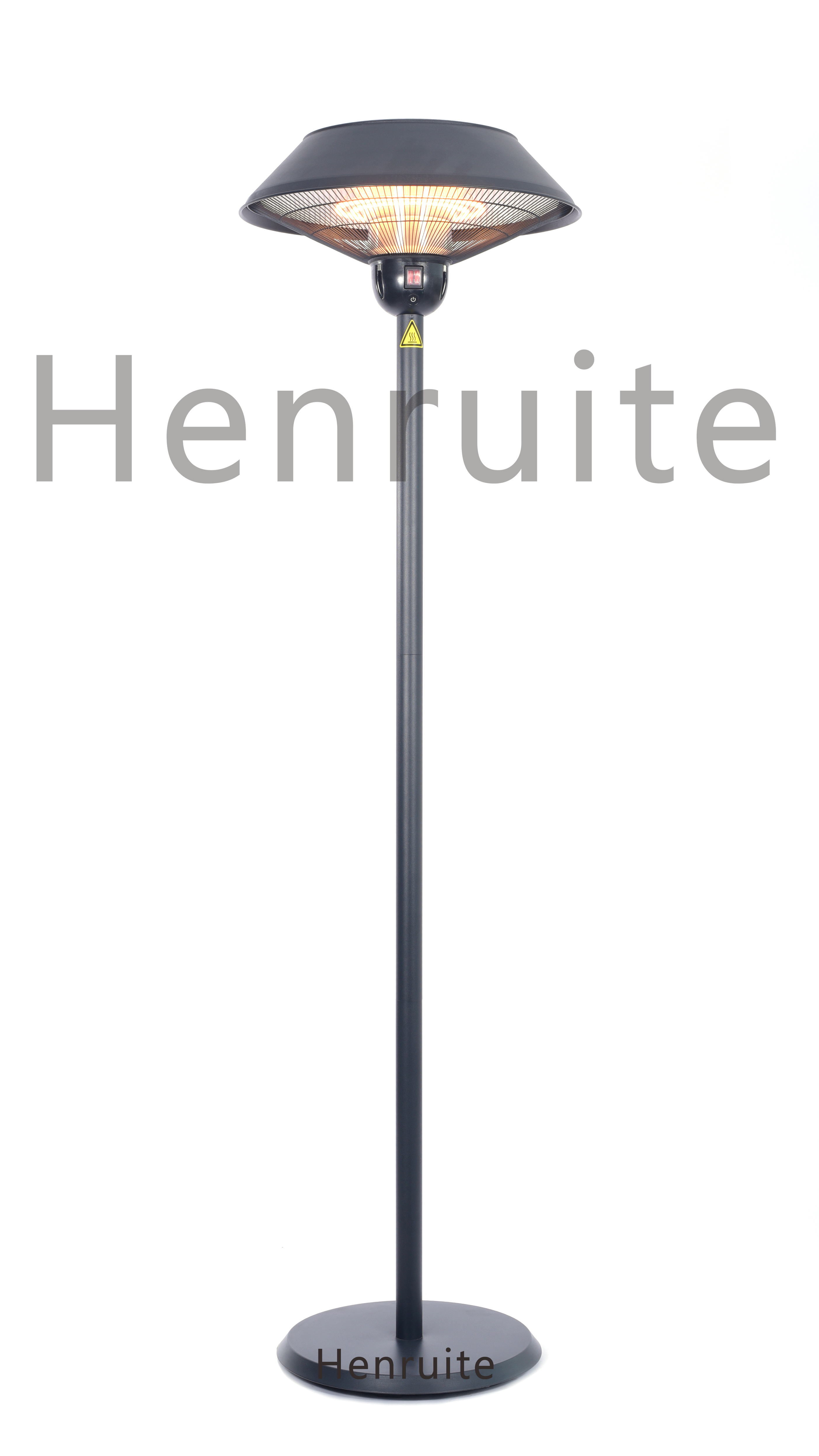
We design commercial patio heating around short-wave infrared, pairing a quartz tube with a carbon fiber element. It comes up to temperature quickly and delivers direct radiant warmth—like standing in a patch of sun, even when the air is chilly. In a typical 1,500 W electric model, the heat is aimed where it’s needed, so comfort hits in seconds, not minutes. It runs on standard 120 V, so you plug it in without special wiring, and the built-in thermostat keeps output steady instead of chasing wild swings. For safety, tip-over protection shuts the unit off if it gets knocked over, and the IP rating means it’s built for outdoors—rain and dust won’t take it down.
Why this works on a busy patio
On a packed deck, comfort has to show up fast and stay consistent. Infrared heats people and furniture directly, so guests feel warm at the table even when the breeze picks up. That means fewer seat turnovers, smoother service, and a patio that stays in play longer. Because the warmth is directional, you don’t have to overheat the whole space to make it feel right, which helps keep energy use in line. And the unit is mobile—move it to match seating changes, events, and wind patterns without a heavy install.
The practical details that make the difference
Placement matters. For the most even feel, mount the heater 6–8 feet above the seating area and angle it to cover tables, not walkways. Keep clearances clear—at least 3 feet from combustibles—and don’t point the heater straight at people’s faces. Infrared heats instantly, but it performs best when you manage the wind. In very breezy spots, a wind screen helps hold the warmth where you want it.