
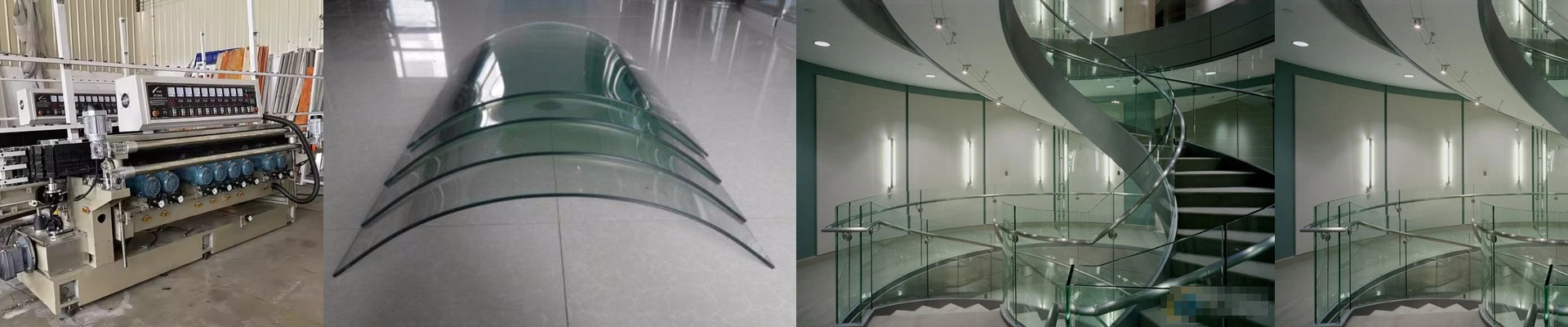

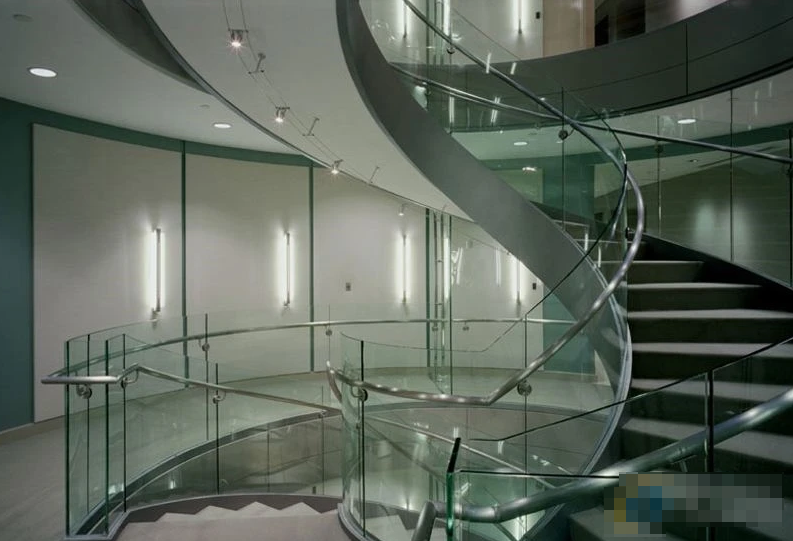
On a glass line, heat is more than temperature. It’s timing, distribution, and control. When the heating profile drifts, you pay for it—optical distortion shows up in bent glass, edge compression drops in tempering, and lamination starts to blister or bond unevenly. We built our NIR industrial heaters to keep the thermal field stable and repeatable, so the process runs the way it was meant to. What matters, technically Our NIR heaters lay down a uniform thermal field using directional radiation, which cuts down on convection and eliminates cold spots. Response is quick—seconds to hit setpoint—so you can keep pace with high-speed cycles without overshooting. The payoff is predictable glass temperature across the entire pane, which reduces thermal stress and keeps flatness and edge quality where you want them. Output is adjustable and repeatable, so you can hold tighter process windows in tempering, bending, coating drying, and EVA/SGP/PVB lamination. Why it plays in glass processing Uniform heating is the direct route to better yield. With even heat, you cut scrap from warp, roller marks, and inconsistent bow. Fast response shortens cycle time and boosts throughput without pushing energy use per part higher. Directed radiation heats the glass surface efficiently, which lowers the load on the furnace body and wastes less heat. On insulating glass sealing and automotive glass lines, that stable profile translates to more consistent edge-seal quality—especially when you’re running multiple shifts and multiple glass thicknesses. Here is what to keep straight NIR heating is line-of-sight. Keep heater-to-glass distance inside the recommended range, and confirm the target glass emissivity for your coatings and tints—reflective or low-emissivity surfaces will shift heat absorption. Match voltage and clearance against your conveyor and insulation layout. In dirty environments, set a routine cleaning interval. Dust and debris on the quartz window will degrade performance and repeatability over time.