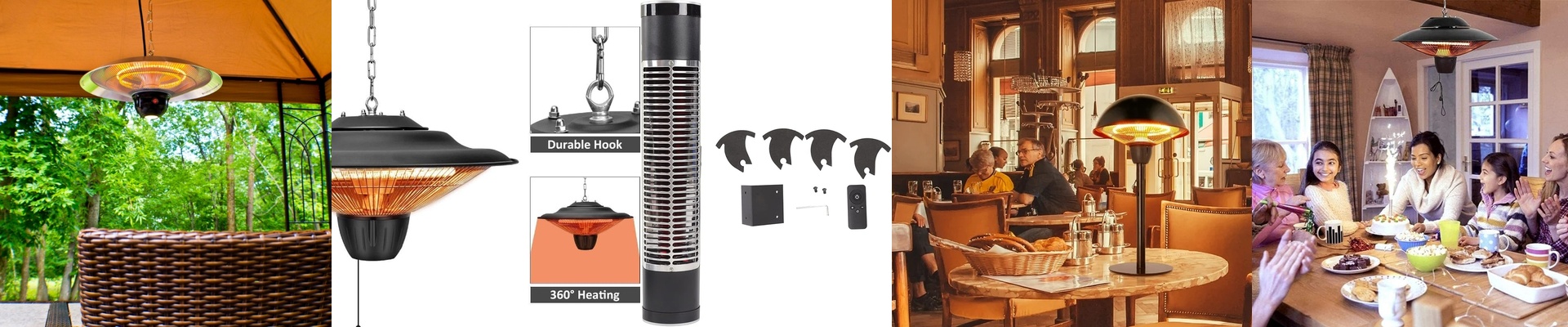
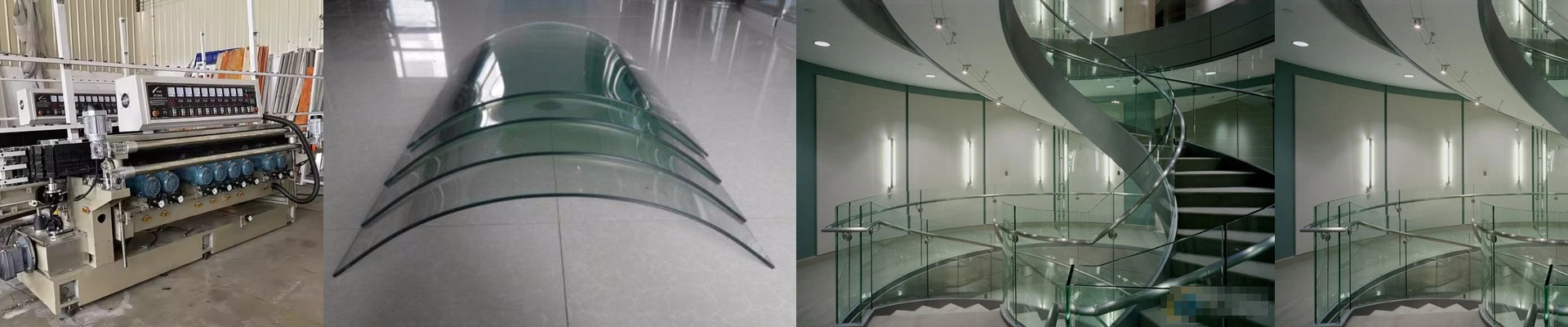
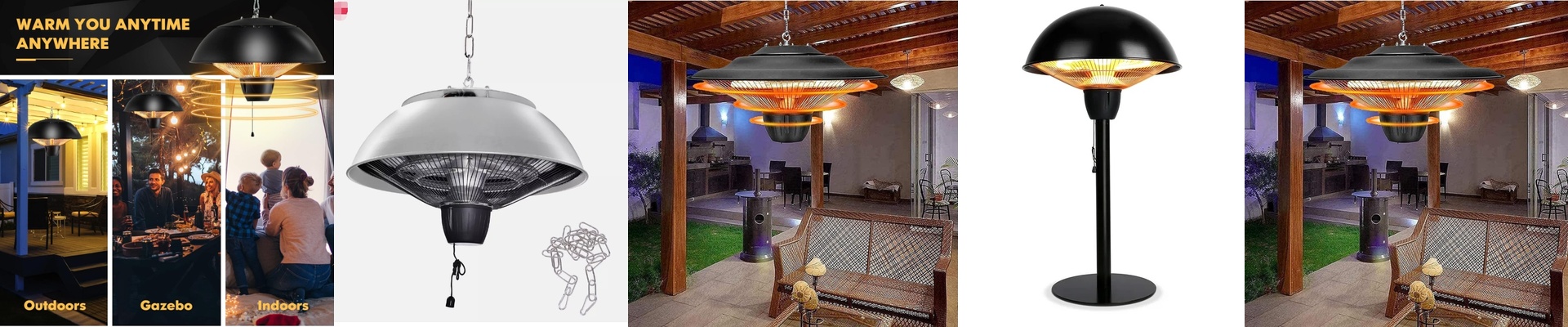
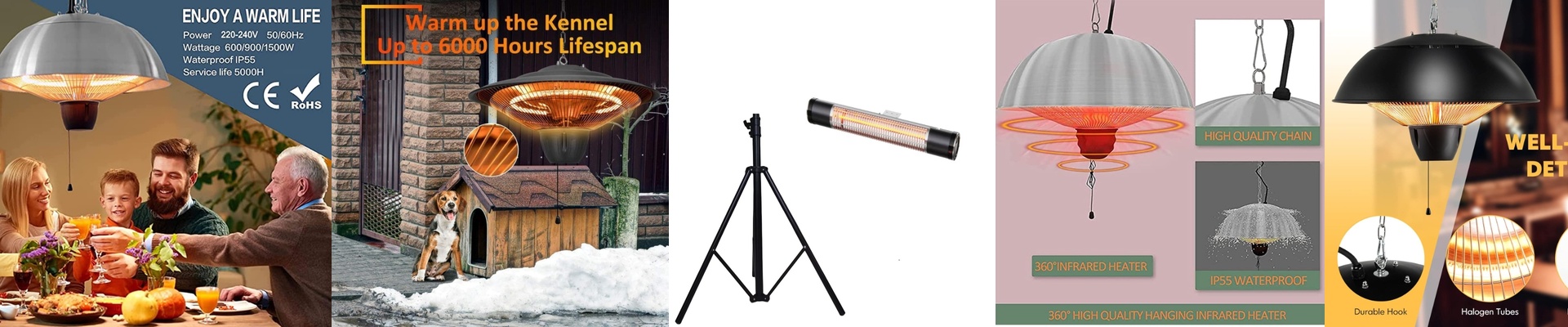
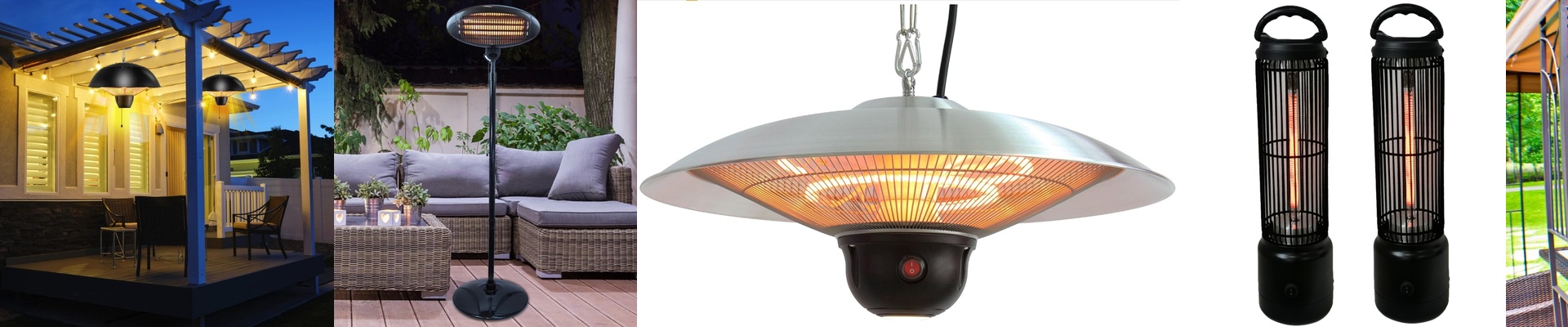
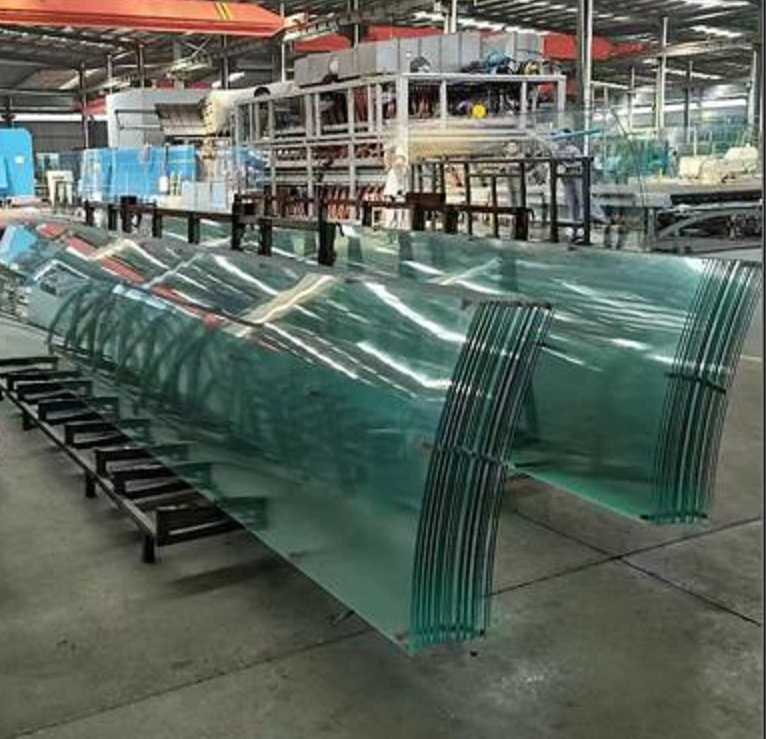
On the floor, a lab glass sample cracks mid-run, and the clock is ticking. A conventional heat source leaves a gradient, and the patch comes back as a reject. You need heat that lands exactly where you aim, fast, without drifting across the bench or the operator. What matters under the hood We built this lamp around a short-wave quartz emitter, chosen for snap response and tight spectral control. Target temperature hits in seconds, not minutes, and the spot stays repeatable shift after shift. Power density is tuned for small-area repair without pushing thermal shock into the substrate. It runs on 230V with industrial connectors, drops into standard mounts, and pulls power predictably, so your service panels and cabling don’t need a rework. Output holds steady past 5,000+ hours, with drift under 5%. Why it fits the glass shop In glass processing, repair and rework sit between tempering, bending, and lamination. You can’t wait around for a long cool-down before the next inspection. This lamp gives you localized heating that keeps the surrounding area cool, so you can rework without annealing the whole part. The payoff is fewer scrapped samples, tighter control of thermal stress, and throughput that stays on schedule. Energy use drops because the heat goes only where it’s needed, not across the entire station. The details that make it work Installation is straightforward, but alignment is everything. Center the beam on the repair zone; if you’re off, you get uneven heating and risk micro-cracks. The emitter runs hot—respect the clearances and use heat shielding. It replaces most OEM modules, but verify your fixture and control wiring before a full rollout. This isn’t a general-purpose heater. It’s a purpose-built tool for lab glass repair, where time, temperature, and repeatability are non-negotiable.