Why your bathroom needs a better way to stay warm
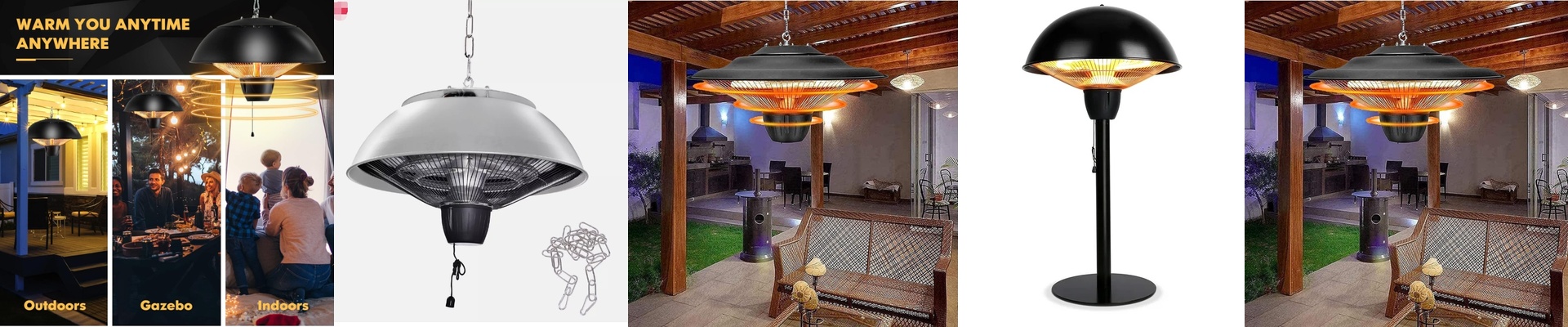
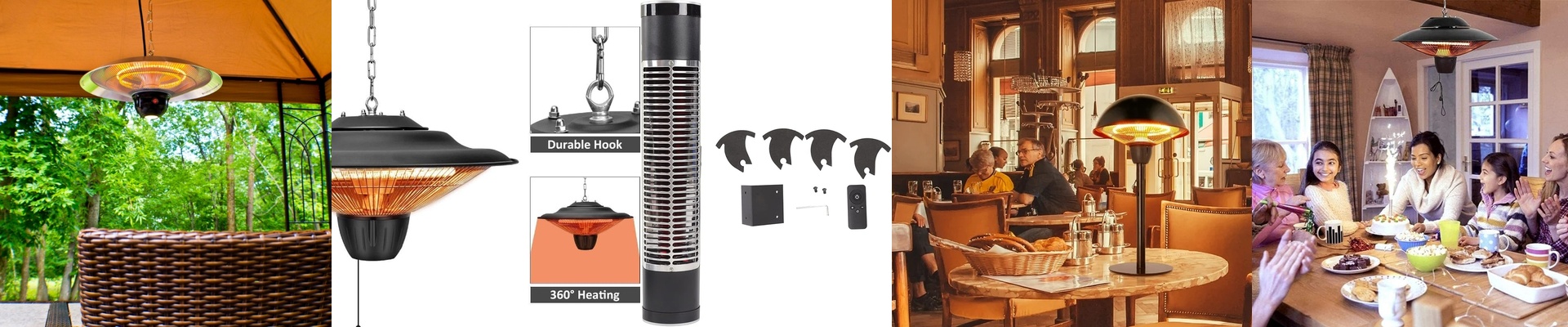
If you’re renovating your bathroom, you’ve probably seen those old-school heat lamps. They’re fine, but a lot of people are moving toward high-standard waterproof infrared heaters instead. This isn’t about making the room look fancy. It’s about whether your heater can actually survive a steamy shower without quitting on you.
The deal with IP ratings
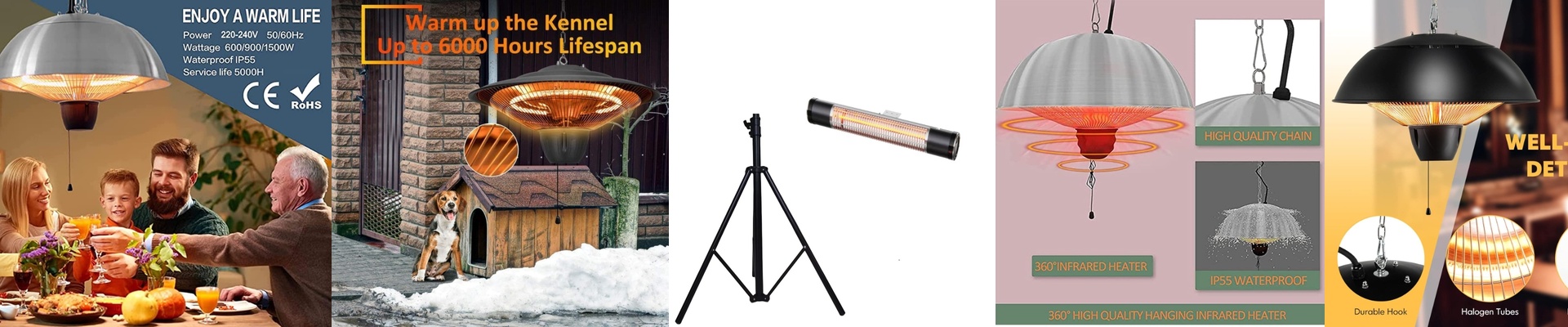
Here is the thing about steam: it gets everywhere. Standard lamps often short out because moisture sneaks into the housing. That’s why we focus on IP (Ingress Protection) ratings. It’s basically a fancy way of saying we’ve sealed the electrical guts so water vapor and splashes can’t get in. Plus, there’s a huge difference in how it feels. Most heaters try to warm up the air, which just floats away the second you open a door or window. Short-wave infrared is different. It hits your skin and the walls directly. You feel that warmth the second you flip the switch.**Instant heat.**No waiting around shivering in a drafty room.
Built to actually last
Putting electronics in a shower zone is risky. We use reinforced gaskets and housings that don’t rust. A lot of those “light-style” heaters use cheap plastic. The problem? They warp. They go from freezing to scorching in seconds, and eventually, they just crack. We use materials that can handle that swing—from 20°C to 200°C—without breaking a sweat. Even the wiring is different, designed specifically so the terminals don’t oxidize and burn out in the humidity.
A quick heads-up on installation
Now, there is one catch. These high-IP units pull more power than a basic lightbulb. Before you swap them in, make sure your bathroom’s circuit can handle the wattage. If you’re working with an old house, definitely check your wire gauge. If the wiring is too thin, it can overheat when you push a high-wattage array. But once it’s in? It’s a total shift in quality. You get a room that feels warm immediately and the peace of mind knowing your electronics aren’t fighting a losing battle against the steam. It’s just a more reliable way to build a bathroom.