Why Fast-Response IR Emitters are a Lifesaver for Inline Glass Annealing
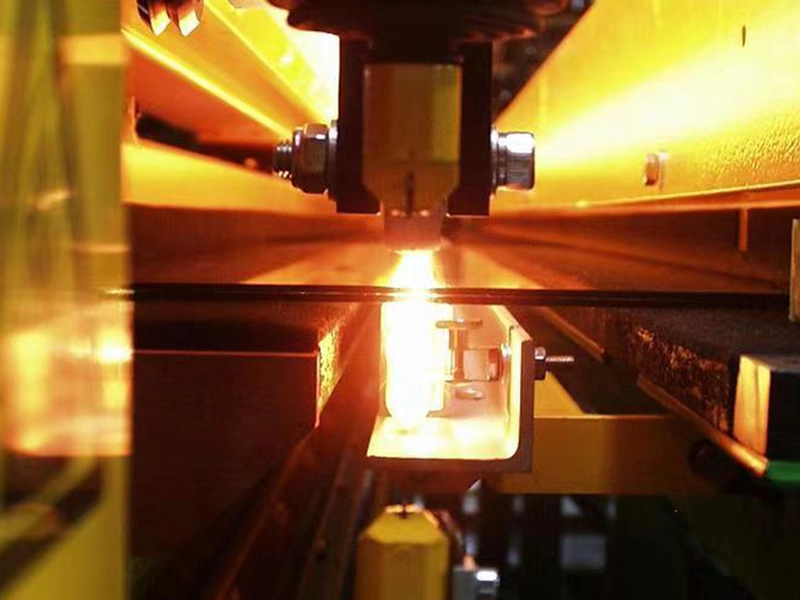
If you’re running a glass production line, you know the nightmare of batch annealing. Stopping everything just to heat your glass kills your throughput. It’s a bottleneck that costs money. That’s why we lean on quartz halogen emitters. They hit your target temperature in seconds. Not minutes—seconds. It means you can keep your conveyor moving at full speed without worrying about the glass coming out wrong. The secret is in the speed. Most heating elements are just too heavy. They have too much “thermal mass,” which is a fancy way of saying they take forever to warm up and even longer to cool down. They lag. Our quartz halogen bulbs are different. They use a tungsten filament and a halogen cycle to pump out high-intensity shortwave IR. Instead of just warming the surface, this energy actually sinks into the glass, heating it from the inside out. It’s almost instant. If your glass thickness changes mid-run, you can tweak the temperature profile on the fly. No waiting around for the oven to catch up. How we actually build them We use high-purity quartz because these things go through a lot of stress. Rapidly cycling from cold to scorching hot would shatter cheaper materials. We also add halogen gas to the mix. It stops the tungsten from evaporating, which keeps the bulb from turning black. This is how we get thousands of hours of steady heat without the output dropping off. And a quick tip on the wiring: if you’re plugging these into a high-speed line, don’t cheap out on the connectors. We usually stick with R7s or SK15 bases. They stay tight, even when the whole line is vibrating 24/7. The honest trade-offs Look, all that heat density comes with a catch. When you’re pushing these lamps to the limit to hit annealing temps, the quartz gets incredibly hot. If you hit a scorching bulb with a blast of cold air or a stray spray of water? It’ll crack. Simple as that. You have to get your cooling fans right. You need steady airflow around the lamp housing to keep things stable. If you ignore the cooling, you’ll burn out the ends of your bulbs and end up right back where you started—with downtime. But get the airflow dialed in, and these emitters just work. They keep your line moving and your production steady.