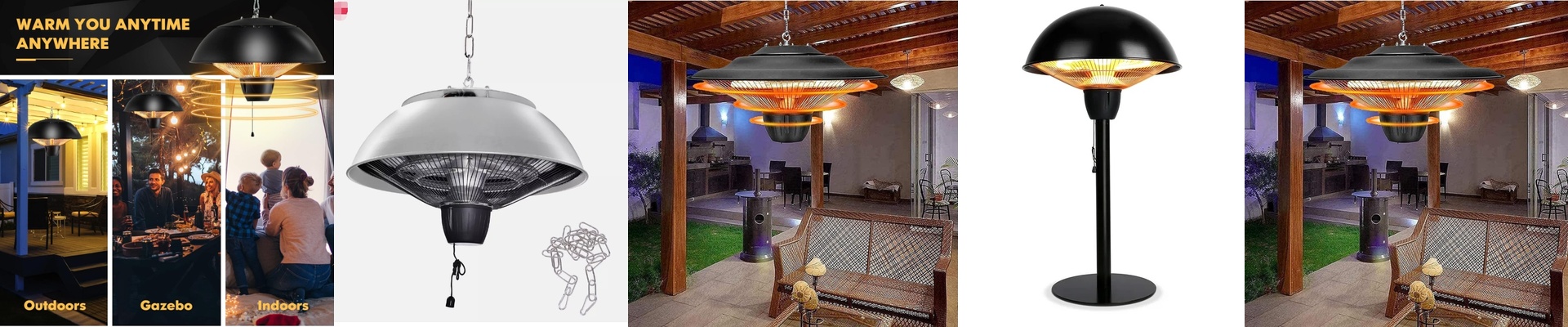
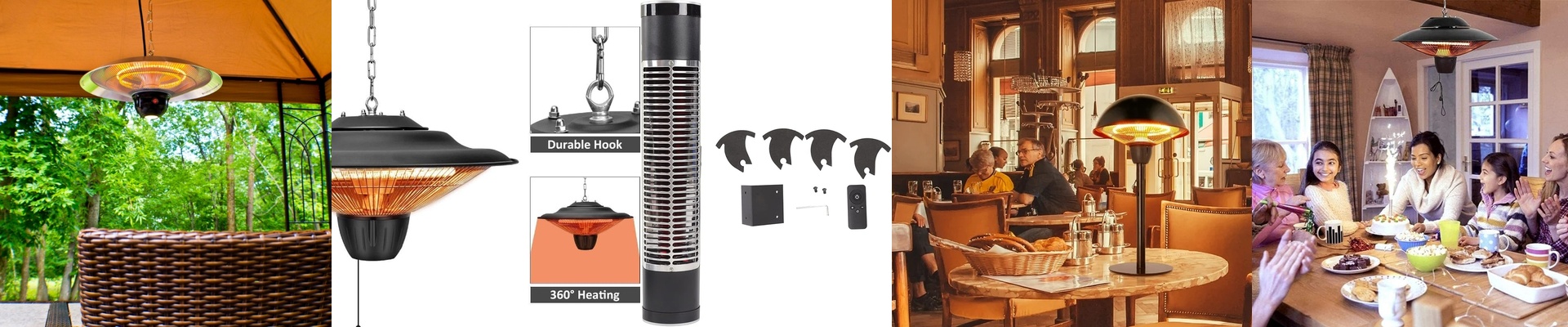


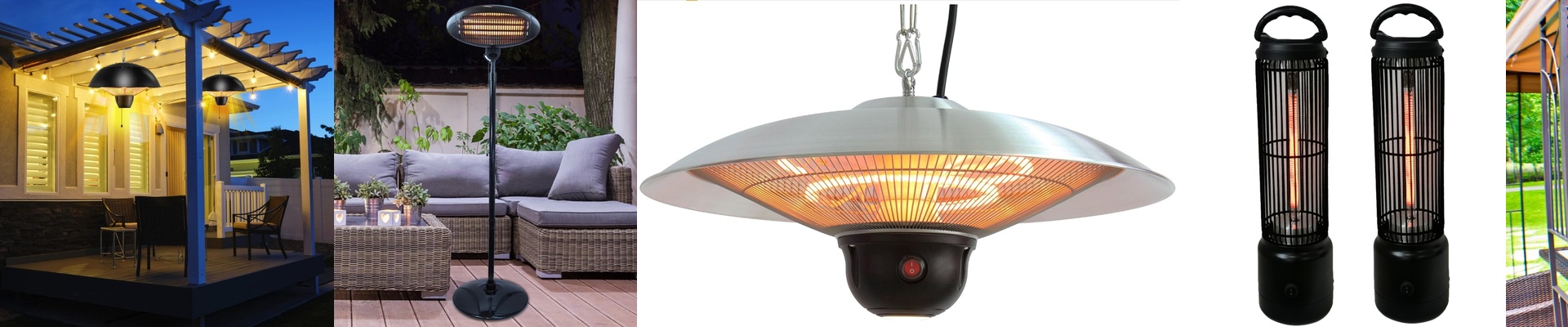
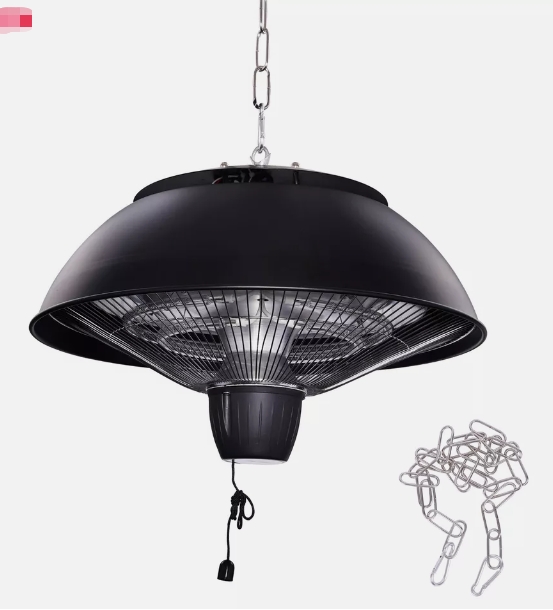
On a cold night, you flip the switch on an infrared heater and the waiting starts. Those first seconds tell you more than any spec sheet ever could. Back in the shop, we watch the quartz tube come alive, and that immediate glow is a straight read on what’s under the hood. What actually matters under the hood A quartz infrared heater is built around a sealed quartz tube that holds a high-purity heating element. The cleaner the element, the lower the internal resistance, and the quicker it hits operating temperature. In the real world, a solid unit lights up in 2–4 seconds. If the glow is slow, patchy, or throws a red tint, you’re usually looking at impurities or an under-spec filament that can’t keep up with the wattage. We match element purity to wattage density so the infrared warmth stays steady instead of surging. The payoff is consistent radiant heat that feels natural, not harsh. Why that quick start matters for outdoor heating When you need dependable outdoor heating, a fast light-up matters. It means the heater gets to full output quickly, so your patio, workshop, or garage stops feeling drafty. A clean element also holds its output longer across the seasons, giving even warmth without hot spots or premature dimming. For you, that means fewer replacements, less energy wasted, and a space that feels comfortable the moment you sit down. A few practical notes Quartz infrared heaters deliver directional radiant heat, so positioning is key—point the unit to warm people and objects, not just the air. Check the IP rating for your environment, and make sure the outlet and cord are properly rated for the wattage. Light-up speed is a strong indicator of element quality, but pair it with a heater that includes tip-over protection and a thermostat for safer, low-fuss operation.