




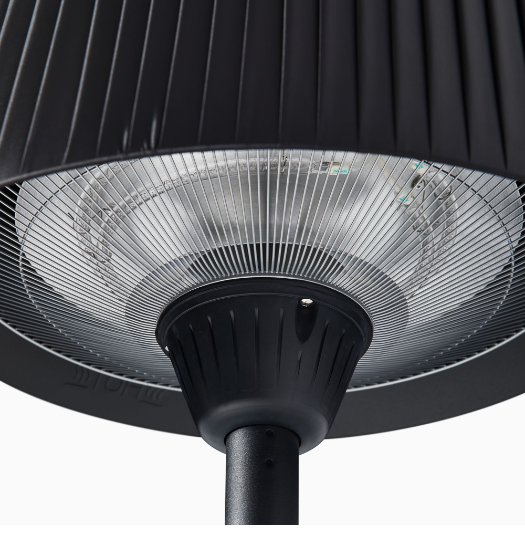
When winter really sets in, cold floors and drafts aren’t just uncomfortable—they can leave your hands and feet chilled to the bone, even when you’re bundled up. That deep, stubborn cold isn’t just a nuisance. It can tighten muscles and slow circulation, making even a quiet evening feel like a chore. A good infrared heater changes the feel of the room because it delivers radiant warmth that targets the body directly, not the air around you. Here’s what matters under the hood. Infrared heaters emit electromagnetic radiation that travels through the air and heats people and surfaces in its path. We build our units around either a carbon fiber or quartz element, chosen for stable output and a comfortable, even warmth. Many models run off a standard 120V outlet and deliver focused heat in the 800–1500W range—enough to make a living room, bedroom, or covered porch noticeably cozier. A built-in thermostat keeps the temperature steady, and tip-over protection shuts the unit off if it’s knocked over. For outdoor use, look for an IP rating that confirms protection against dust and splashing water. If you’re someone who struggles with cold hands and feet, the benefit is immediate. Radiant heat warms the skin and the tissue beneath, helping blood vessels relax and supporting better microcirculation. You don’t have to wait for the room air to warm up—gentle warmth arrives within seconds. Hands loosen, feet stop going numb, and shoulders drop. That matters on chilly mornings and long evenings, especially if you’re reading, working from home, or just unwinding. The comfort feels more natural, and it’s generally less drying than forced-air heat. A few practical notes. Infrared warmth works best when the heater is within a few feet of where you sit, with a clear line of sight. It warms what it “sees,” so walls and floors end up reflecting heat back into the space. Keep the unit away from curtains and furniture, and never cover the heater. For consistent comfort, pair the heater with a draft-blocking plan. And remember: infrared heat feels immediate, but it isn’t designed to warm a very large room on its own.