Why Bathroom Heaters Usually Die (And How We Stop It)
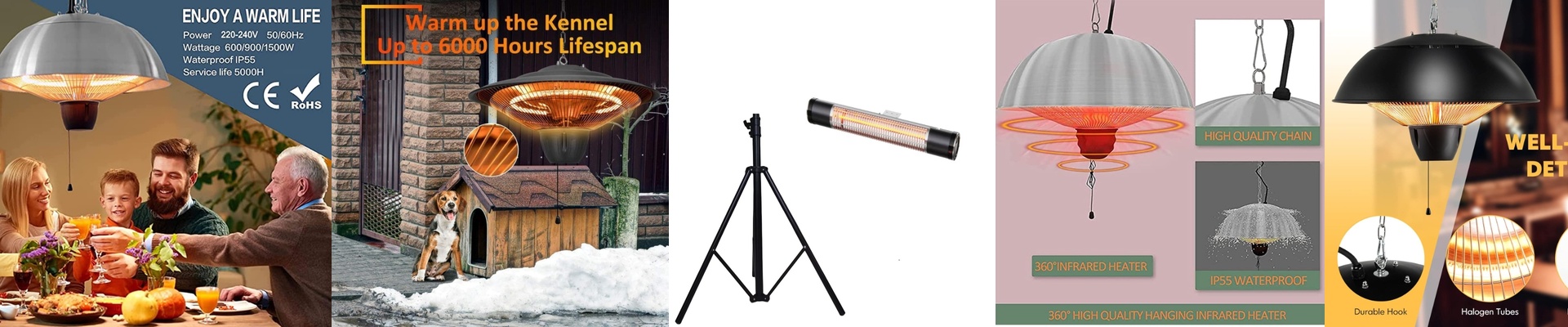
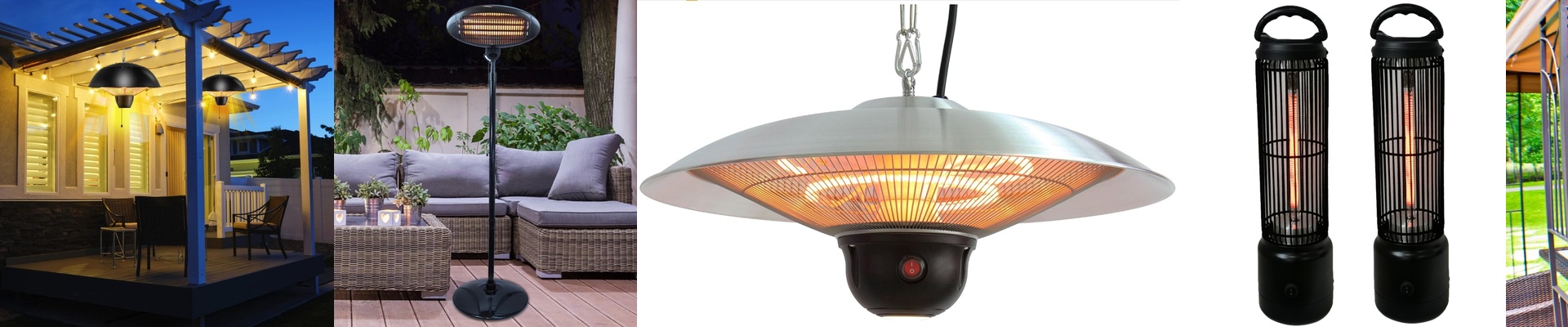
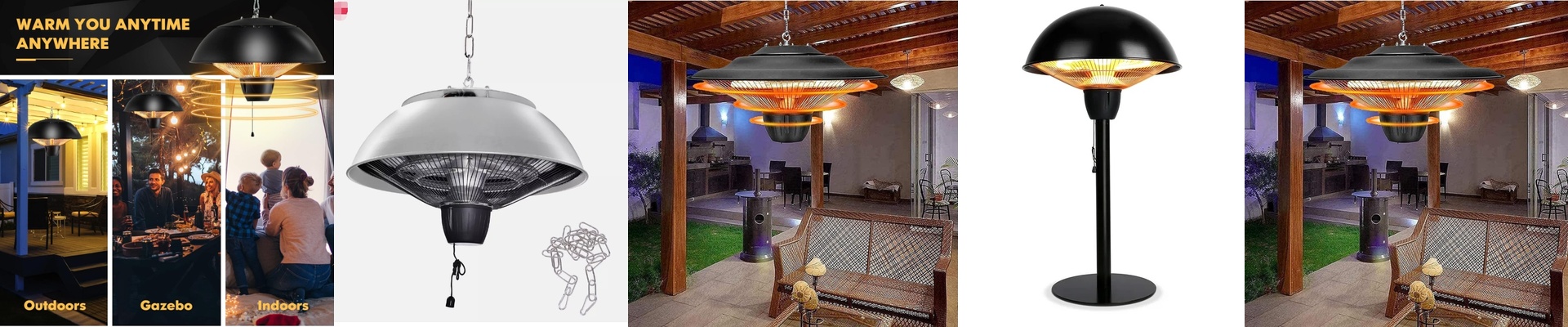
Let’s be honest: bathrooms are a nightmare for electronics. You’ve got thick steam, constant humidity, and the occasional stray splash of water from the shower. It’s a recipe for disaster. Most heaters just can’t take it; they rust, they short out, and they end up in a landfill way too soon. We wanted to build something that actually lasts. Keeping the water out The biggest killer? Water getting where it doesn’t belong. One direct spray from the shower head into the wrong spot and—pop—your fuse is gone. To stop that, we don’t just “seal” the unit; we obsess over the gaskets and the housing. We make sure the wiring junctions are tucked away and protected. It means you don’t have to worry about corrosion eating away at the connectors behind the scenes. It just works. The battle against the fog Then there’s the steam. You know that cloudy film that forms on the mirror? It happens to the heating lamp, too. Here’s the thing: when a layer of condensation builds up on the glass, it acts like a wall. The heater has to fight through that fog to get the warmth to you, which makes the element work way too hard. We fixed this by adding a special coating to the quartz glass. Instead of the water filming over, it beads up and just rolls off. This keeps the path clear, so you get a steady, cozy heat without the lamp overheating itself into an early grave. Keeping it real Now, I won’t tell you these things last forever. Nothing does. After a few years of heavy use, that anti-fog coating will start to wear thin. You might notice it doesn’t feel quite as punchy as it did on day one. But if you do one simple thing—keep the vents clear of dust—the internals can breathe. It keeps the electronics from baking while the outside stays waterproof. Treat it right, and it’ll keep you warm for a long time.