
Putting Infrared Heaters in Wet Zones: What You Actually Need to Know
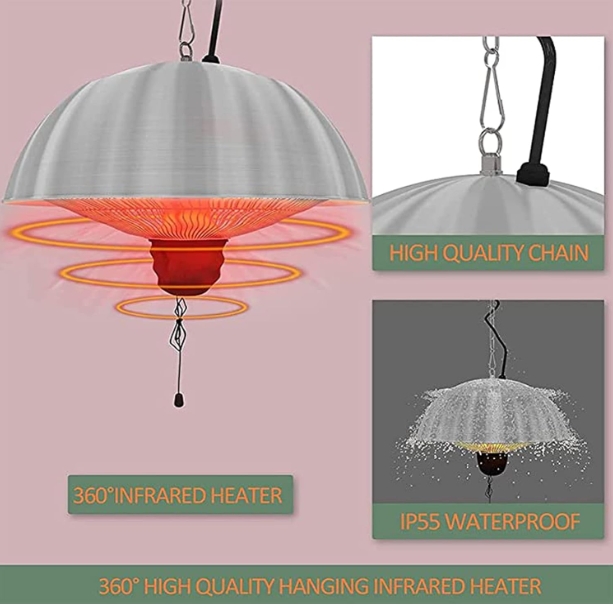
If you’re planning to put infrared heaters in a pergola or near a bath, you’ve got to be careful. Here’s why: water and extreme heat are a bad mix. Imagine a quartz tube glowing at 800°C. Now imagine a few stray water droplets hitting that glass. It doesn’t just crack—it shatters. Not exactly the vibe you want when you’re trying to relax in a hot tub. To stop that from happening, we use explosion-proof quartz glass.
Why “Explosion-Proof” Matters
Standard quartz just can’t handle the shock of a sudden temperature drop. It’s too brittle. We use a modified silica mix that’s much tougher and can take a hit from steam or a random splash without bursting. Plus, we tuck these tubes into IP-rated housings. It’s a simple move, but it keeps the electrical guts dry and safe.
Getting the Heat Right
For outdoor spots like pergolas, short-wave infrared is your best bet. It cuts right through the wind. If you use the wrong kind, the breeze just carries the heat away before it ever reaches you. But don’t just go for the highest wattage you can find. You have to look at your ceiling height. If the heater is too powerful for a low ceiling, you’ll bake the people sitting directly underneath it. Just a heads-up: higher wattage means faster heat, but it also means you need better circuit protection so you aren’t constantly tripping your breakers.
The Nitty-Gritty of Installation
Here is a pro tip: watch your wiring. Standard PVC cables will literally melt if they’re too close to the heater. It’s a mess. If you’re running wires within 30cm of the lamp, use silicone-sleeved wiring. It can handle the heat without turning into a puddle. One last thing. Because the explosion-proof glass is a bit different, you might notice the heat isn’t quite as intense as a cheap, uncoated tube. It’s a tiny trade-off. I’d much rather have a slightly softer warmth than a shower of glass shards in my lounging area. Oh, and make sure your power supply is beefy enough to handle that first big surge when you flip the switch on a cold day.