

Why your old bathroom heater is probably failing (and what to use instead)
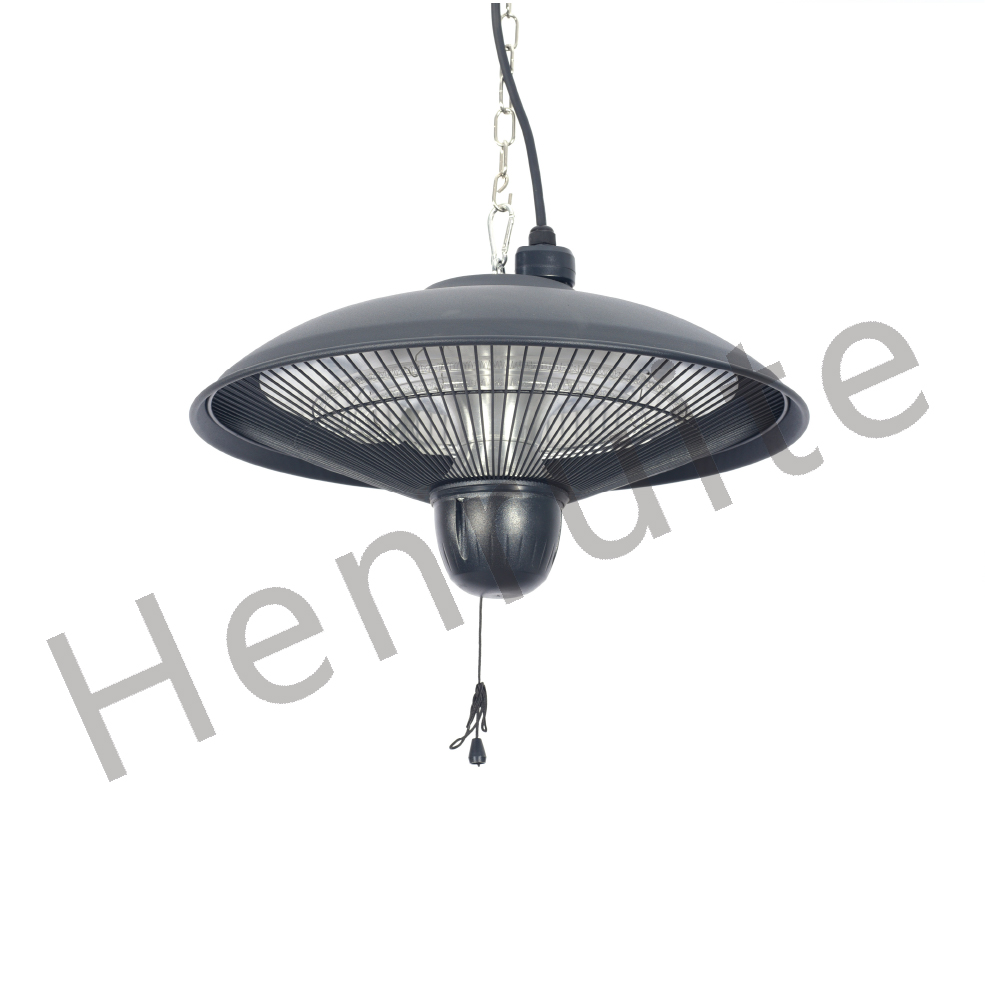
Let’s be honest: most of those old-school bathroom heat lamps are kind of a joke. They aren’t really built for the actual environment they live in. You’ve got all that steam and splashing water, and these basic units just can’t handle it. They leak, they short out, and eventually, they just die. That’s why more people are switching to industrial-grade infrared heaters with high IP ratings. Basically, they’re built like tanks to survive the dampness of a real bathroom. The “Warm Air” Trap Here is the thing about traditional heaters: they try to warm up the air. But if you have high ceilings, that heat just floats straight up and hangs out at the top of the room while you’re still shivering on the floor. Infrared is different. It doesn’t care about the air. It sends out waves that hit your skin and the floor directly. You feel it the second you step into the room. No waiting around for the air to warm up—just instant heat. Keeping the Water Out Most cheap heaters have seals that are, frankly, pretty lazy. Moisture seeps in, hits the electrical terminals, and starts eating away at the metal. Once that corrosion kicks in, you get voltage drops or the whole thing just burns out. The high-spec units do it right. They use heavy-duty gaskets and sealed quartz tubes to keep the water where it belongs: outside the electronics. It’s the difference between a cheap raincoat and a professional diving suit. A Quick Heads-Up on Install Now, there is one catch. Because these infrared units pack a much bigger punch, they pull more power than those old little bulbs. You can’t just swap them out and hope for the best, or you’ll be tripping your breaker every time you want a warm shower. If you’re installing one, do yourself a favor and check the wire gauge in your ceiling first. Make sure your circuit can actually handle the load. It’s a bit more work upfront on the electrical side, but it’s worth it. You get a smaller, sleeker heater that actually works and—more importantly—won’t need to be replaced in two years because it rusted from the inside out.