Why Your IR Lamps Are Ruining Your Glass
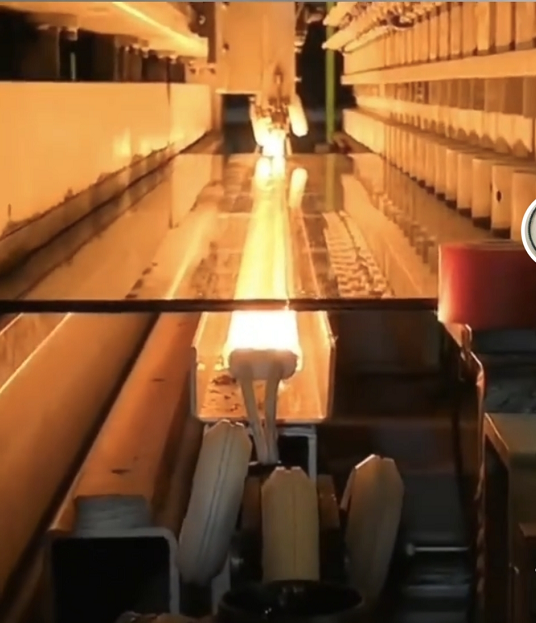
Ever pull a batch of glass out of annealing and find it’s… spotty? You run the stress tests and it’s a nightmare. Some pieces are flawless. Others have internal tension that makes them a ticking time bomb. Here is why that happens: most IR lamps just aren’t consistent. You might wire up a whole bank of them, but one lamp is running 5% hotter than the one right next to it. In a batch process, that tiny difference creates uneven heat across the glass. And in this business, “almost even” isn’t good enough. The secret is in the tolerances. If your lamps vary by 5%, your heat distribution is basically broken. We try to keep that window much tighter—down to 2% or less. These heaters use a halogen-filled quartz envelope. The halogen does a specific job: it stops the tungsten filament from evaporating and gunking up the quartz walls. This keeps the light clear. The moment a lamp starts to black out, your heat flux drops, and your whole annealing cycle goes south. Pushing the power When your lamps are actually consistent, you can push more power into a smaller space. You get a steep, fast ramp-up to your target temperature without the fear of overshooting and ruining the batch. But a quick heads-up: watch your power supply. High-wattage arrays draw a ton of current. If your contactors and wiring aren’t beefy enough to handle the peak load, your voltage will sag. At that point, it doesn’t matter how great your lamps are—the input power is failing you. Real talk from the shop floor Look, these lamps aren’t indestructible. Thermal cycling beats them down over time. The biggest mistake I see? Waiting for a lamp to burn out before replacing it. Don’t do that. Set a strict replacement schedule and swap them in matched sets. If you mix old, dimmed-out lamps with brand new ones, you’re just inviting that same batch instability back into your oven. Keep them fresh. Keep them matched. Your stress tests will thank you.