

Engineering Guide: Matching Infrared Wattage to Bathroom Dimensions
Selecting the right infrared heating lamp for a bathroom isn’t about buying the most powerful unit. It is about matching the wattage to the room’s cubic volume and surface materials to avoid wasting energy or overheating a small space.
Power Density vs. Room Volume
We categorize bathroom heating into three primary power brackets based on square footage. Small powder rooms (under 4m²) typically require a single 400W to 600W lamp. At this scale, the heat density is high enough to provide immediate warmth without overloading the circuit. Medium bathrooms (4m² to 8m²) need 800W to 1200W. We usually suggest splitting this across two lamps to ensure an even heat spread. Large bathrooms or those with high ceilings (over 10m²) require 1500W or more. If you go too low on wattage in a large room, the heat dissipates before it reaches the user.
Thermal Efficiency and Material Interaction
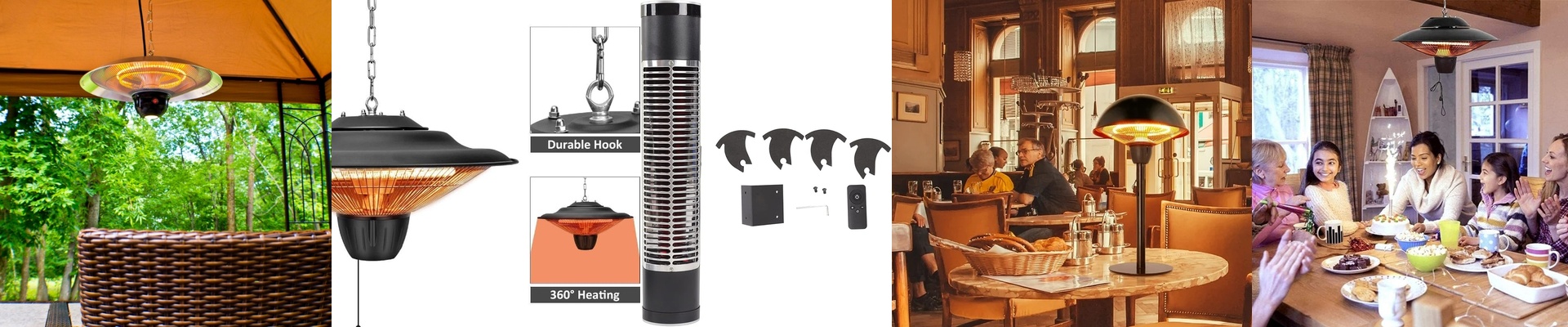
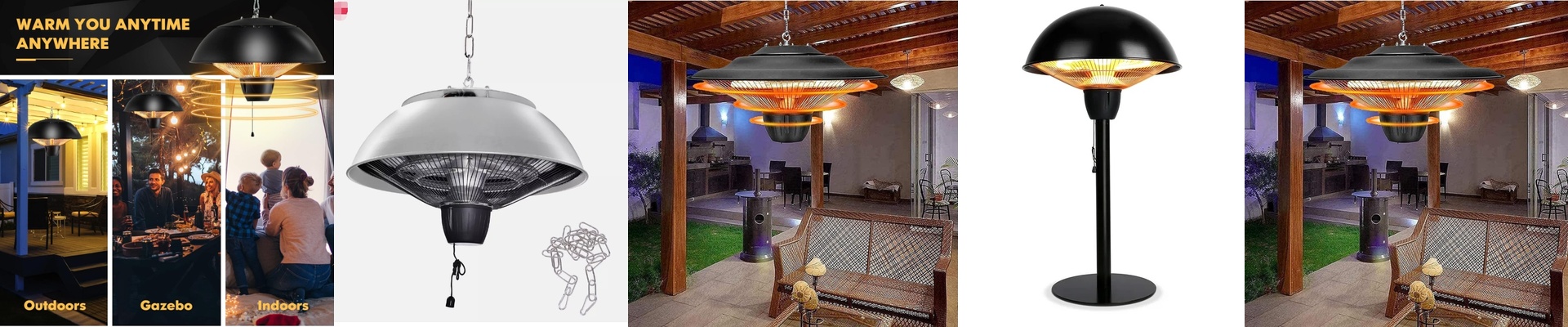
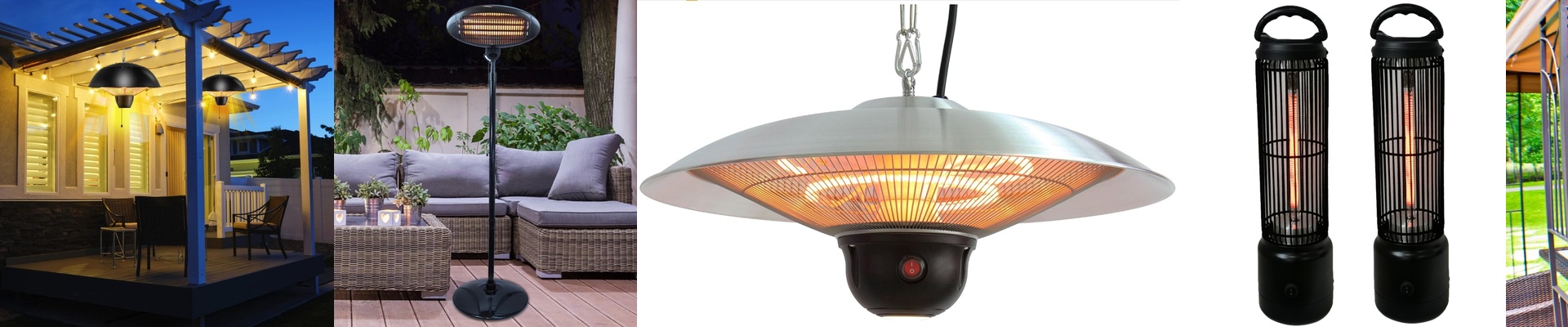
Infrared lamps work by radiant heat, not convection. They heat objects, not air. In a bathroom, you are dealing with high-thermal-mass materials like ceramic tiles and stone. These surfaces soak up heat. You must spec out your wattage based on these surfaces. A bathroom with floor-to-ceiling marble requires a higher initial wattage to overcome the “heat sink” effect of the stone.
The Trade-off: Heat Intensity vs. Safety
Higher wattage means faster warm-up times. But there is a limit. Putting a 1500W lamp in a tiny 3m² stall creates a hotspot that can be uncomfortable or even dangerous for the user. You have to balance the power output with the mounting height. If you mount the lamp lower, drop the wattage. If you mount it high, you need more power to push the radiant energy down to the floor level.