Introduction
On those long glass coating lines, getting the curing profile just right isn’t a “nice to have.” It’s the make-or-break moment. If you miss it, adhesion falls apart and you’re left with scrap. So we built our laminated glass cutting heater around zone-controlled infrared heating. We use shortwave halogen lamps, set up in a modular layout. That means you can fine-tune the cure curve at each station, so the heat follows the process, not the other way around.
The Nitty-Gritty: Power, Voltage, and Layout
Infrared curing only works when the energy hits the coating hard and fast enough. You need to drive out solvents and kick off crosslinking, without turning the glass into a pretzel. Our lamps are designed for that sweet spot. The 400V supply keeps things stable, even when you’re running high current across multiple zones. And the 300mm tube length keeps the heating footprint tight. That gives you precise control along the line, so you can put the heat exactly where the coating needs it most. The 2500W rating gives you that shortwave punch—fast ramp-up, quick adjustments, and a repeatable dwell. But that power comes with a catch: the surrounding equipment has to handle the heat. Plan your cooling and clearances from the start, or you’ll lose that repeatability halfway through the run.
Materials and Design: Halogen, Coating, and Connectors
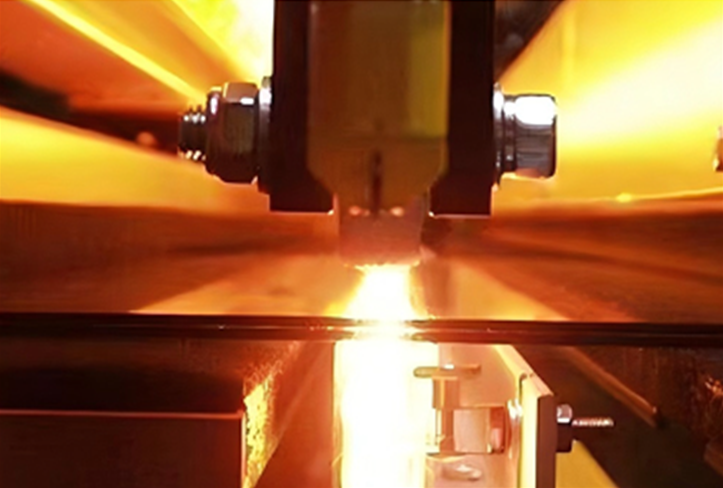
Shortwave halogen elements deliver intense infrared output with a lightning-fast thermal response. That’s exactly what you need to keep pace with a fast-moving glass line. The quartz envelope can take the thermal shock of repeated on/off cycles. And a reflective coating keeps the energy focused downward on the glass, not radiating sideways into the frame. But out there on the shop floor, the connector matters as much as the optics. The R7s base gives you a secure, high-temperature connection that’s a simple drop-in install. If your line uses Sk15 fixtures, you get the same engineering intent: a rugged interface that swaps out quickly, without rewiring the whole station.
Real-World Payoff: Precision Curve Control in Action
Zone control is your hands-on lever for managing the cure curve. You can dial in different power levels or dwell times across the line, matching the chemistry stage by stage—pre-heat, flash, cure—without overheating the glass. The payoff? Less risk of warping, fewer bubbles, and a process that stays steady. If you’re running long coating lines, this setup lets you push the speed without chasing temperature swings. You spec the heater to the line, wire it up by zone, and tune the cure curve with settings you can trust. The control lands right where it matters most: at the point of cure.