Introduction
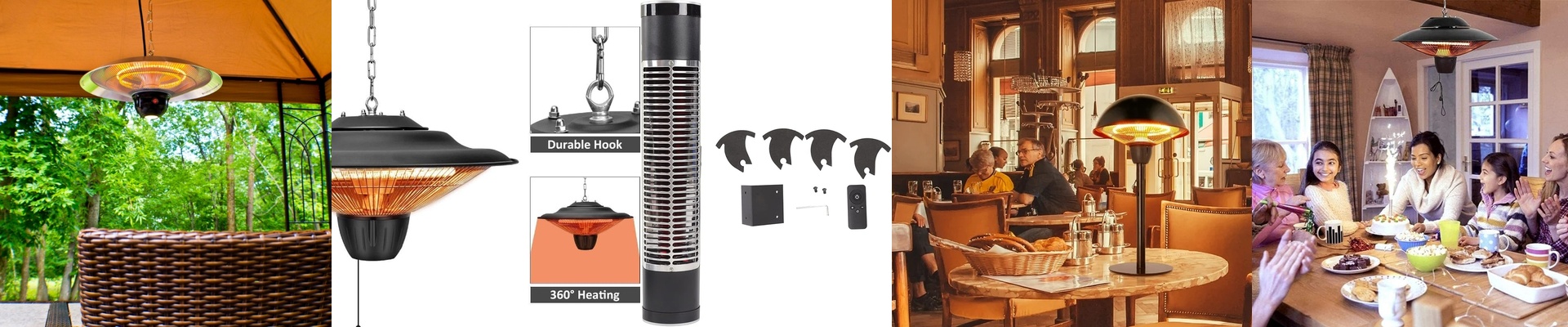
Picture this: you’re building a space where moisture and safety are absolute musts. No shortcuts, no compromises. That’s exactly why we created our recessed infrared ceiling heaters. At the heart of every unit is an explosion-proof infrared heating lamp, wrapped in a quartz tube. This isn’t just a fancy add-on. It’s the backbone of the whole system, keeping everything running smoothly—how the heat behaves, staying electrically safe, and holding strong when things get intense.
Technical Deep-Dive
Ever try to fit a lot of heat into a small ceiling space? It’s tricky. You need warmth fast, but you can’t overload the electrical setup. Our infrared heaters are built to do just that. They pack a serious punch in a compact design, using shortwave infrared to warm up both objects and air in no time. And because the whole unit is recessed, the lamp stays protected. Less exposed surface means fewer chances of accidental contact, and all that heat goes exactly where you want it: straight down.
Material & Design
That explosion-proof quartz tube? It’s the real hero when it comes to safety. Quartz is tough. It can handle rapid temperature swings and stays steady even under high pressure, which is exactly why we use it in the toughest heating jobs. The tube is built to keep any internal event contained, so if something goes wrong inside, it doesn’t turn into flying debris. Inside the quartz, the halogen element keeps the infrared output steady and the color temperature consistent. That means you get reliable, predictable heat every single time. And the R7s connector? It’s there for a reason. It locks in tight, handles the high current, and keeps the lamp perfectly positioned inside the housing.
Application & Benefits
Think about bathrooms and showers. The heater is usually the last thing running before water starts flying everywhere. With a recessed infrared ceiling heater that’s built around an explosion-proof quartz tube, you’re cutting down the risk of a major lamp failure in all that humidity. You get quick, focused heat, and a clean look that doesn’t stick out. Now, there’s one thing to keep in mind: heat management. High-wattage infrared puts out a lot of localized heat, so the housing and the ceiling around it need to be set up to handle it. Make sure the wiring, mounting, and ventilation match the heater’s power, and you’ll get steady, worry-free performance without overheating nearby materials.