Precision Annealing with Infrared Lamps: Wiping Out the Temperature Blind Spots on Tricky Glass
We make infrared lamps for glass annealing kilns, and honestly? It comes down to one mission: getting every last square millimeter of a complicated piece of glass evenly warm. Because in a regular kiln, you get those frustrating “temperature blind spots.” You know the ones—thick ridges, skinny necks, wild curves that just don’t catch the same radiant heat. And when the heat isn’t even, the stress relief isn’t even. Then you start watching good glass turn into scrap. Again and again.
Power, Voltage, and Size: Matching the Heat to the Job
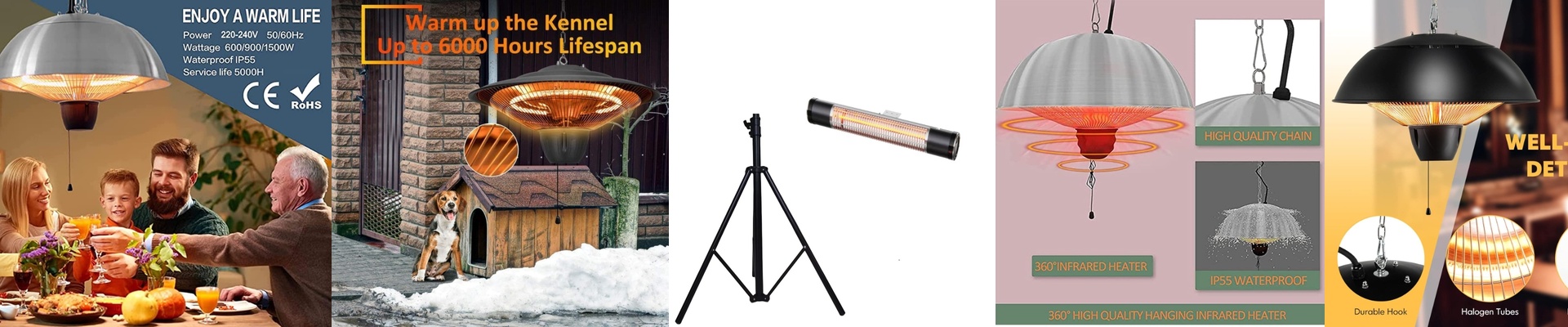
Here’s the thing: we size our annealing infrared lamps around one goal—reliable, repeatable heat density inside the tight space of a kiln. Voltage and wattage are the levers that decide how quickly the lamp hits setpoint and how steady the temperature stays when the kiln is loaded and working. And the length and diameter? They’re chosen so the lamp can get close enough to focus energy on the glass, without fighting the kiln’s mounting setup. A compact tube with high watt density gives you a tight thermal focus. That means you can zero in on the problem areas, without having to crank up the heat across the whole chamber.
What’s Inside Matters: Halogen, Quartz, Coating, and the Right Connector
Inside the tube, the halogen element keeps the filament stable, so output stays consistent over long run cycles. The quartz envelope handles the shock of rapid on/off cycling without cracking. No drama. A reflective coating on the outside pushes more infrared energy forward, instead of letting it bleed off sideways and waste power. And the R7s connector? It’s practical. Solid electrical contact, and quick replacement. Swap a lamp without rewiring the whole kiln. Now, the trade-off: high power density means the lamp runs hot. So your kiln’s ventilation and thermal management need to be set up for that reality.
What It Does for You: Handling Complex Shapes, Getting Full Coverage
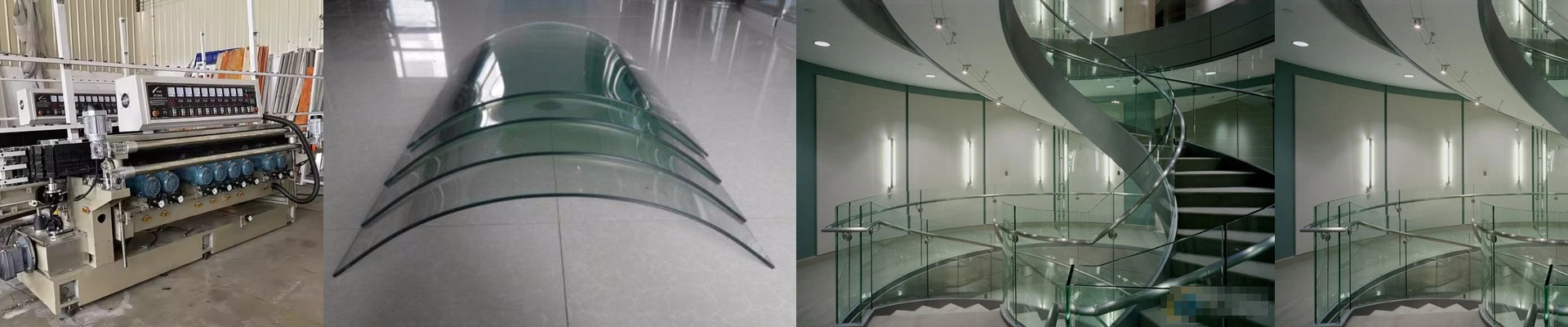
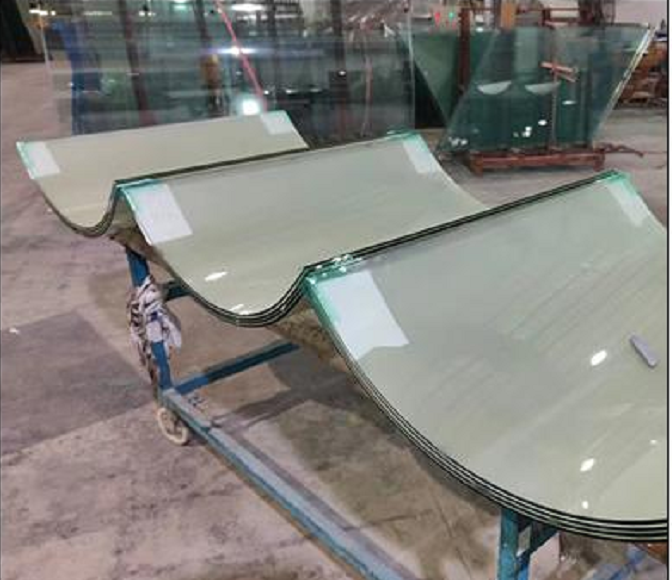
Complex glass—curved bowls, fluted vases, containers with thick bases—needs a heating pattern that can bend and follow the shape. Infrared heating is naturally adaptable because you can place lamps at different angles and distances, and basically “paint” the surface with energy. The payoff is fewer cold zones, more uniform annealing, and a process that feels steady—shift after shift. And that shows up where it matters: fewer reworks, less scrap, and a kiln line that runs predictably, without you holding your breath every cycle.