Stop Losing Money to the Cold
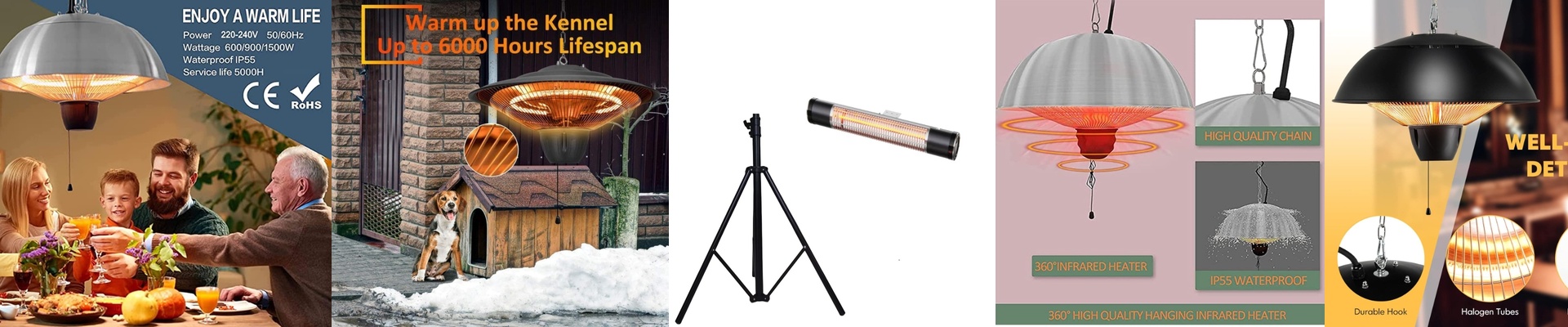
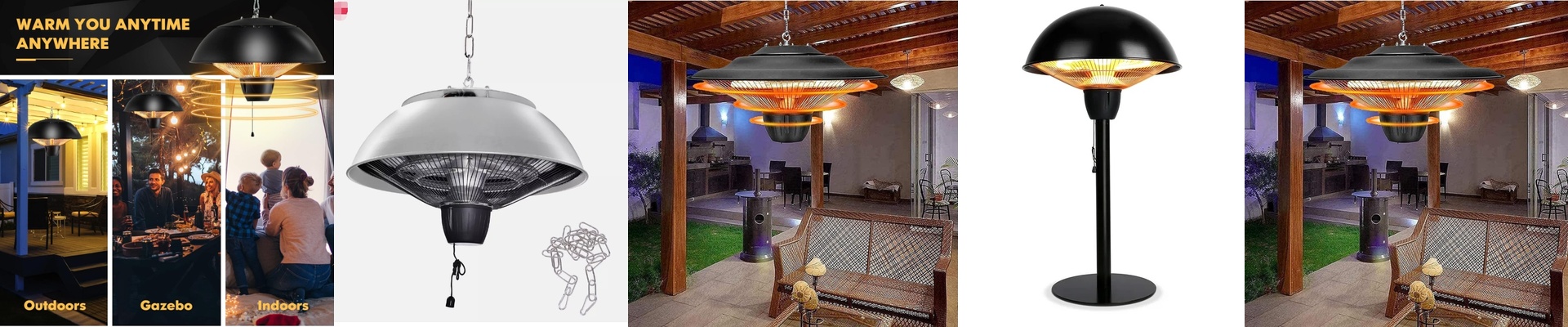
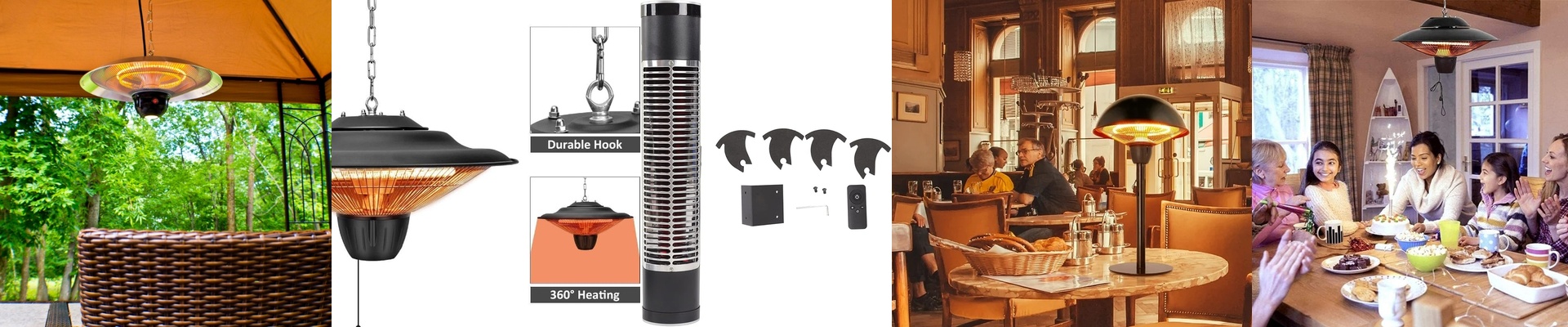
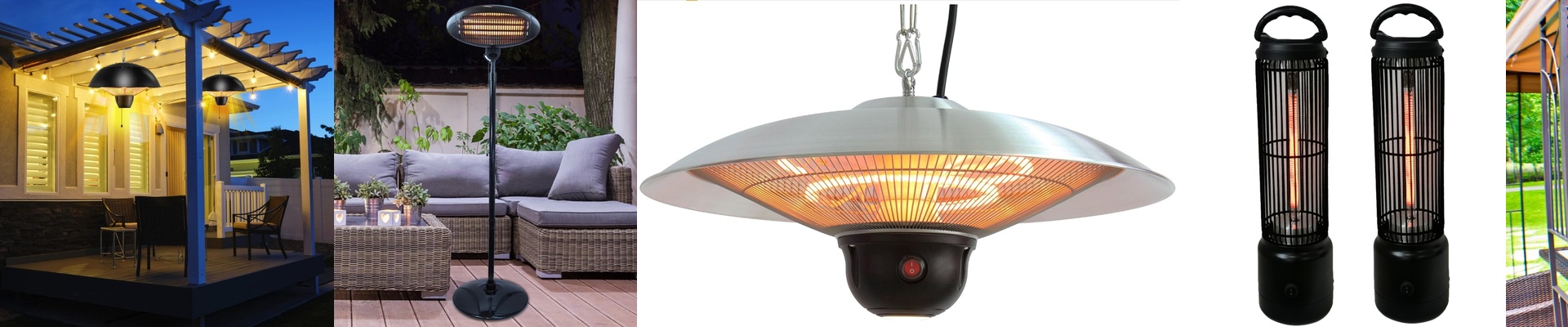
Let’s be honest: the second the temperature dips, your outdoor seating becomes a ghost town. It’s frustrating. You’ve got the space, you’ve got the vibe, but nobody wants to freeze while eating a steak. Most people try to fix this with standard forced-air heaters. The problem? They’re useless outside. The heat just floats away the second a breeze hits it. That’s why we stick with ceiling-mounted infrared (IR) heaters. Instead of trying to warm up the entire outdoors—which is impossible—these heaters go straight for the people.
How it actually works
Think of it like the sun. You can feel the sun’s warmth on your skin even if the air around you is chilly. That’s exactly what IR waves do. They travel through the air without bothering it, and the moment they hit a guest or a table, they turn into heat. By putting these on the ceiling, you’re basically creating a “warm bubble” over your tables. Even if there’s a cold wind ripping through the patio, your guests stay cozy.
Why this matters for your bottom line
Cold customers are impatient. They eat fast, skip the dessert, and head for the door the moment they feel a chill. But when people are actually comfortable? They linger. They order that second bottle of wine. They stay for coffee. It’s pretty simple: if they feel good, they stay longer. And if they stay longer, you make more money. You stop treating your patio like a seasonal luxury and start treating it like a year-round revenue stream. We just have to make sure the layout is tight so there aren’t any “cold spots” where guests feel left out in the cold.
A few things to watch out for
Now, it’s not just “plug and play.” There are two big things to get right. First, the power. High-wattage heaters pull a lot of juice. If you just start slapping them onto every circuit you find, you’re going to be tripping breakers right in the middle of a Friday night rush. You’ve got to make sure your electrical panel can actually handle the load. Then there’s the height. This is where people usually mess up. If you mount them too high, the heat fades before it ever reaches the customer. Too low? You’ve basically created a microwave, and the person sitting directly underneath is going to be sweating. We usually do a bit of math based on the wattage to find that sweet spot—where the coverage is wide, but the heat feels natural.