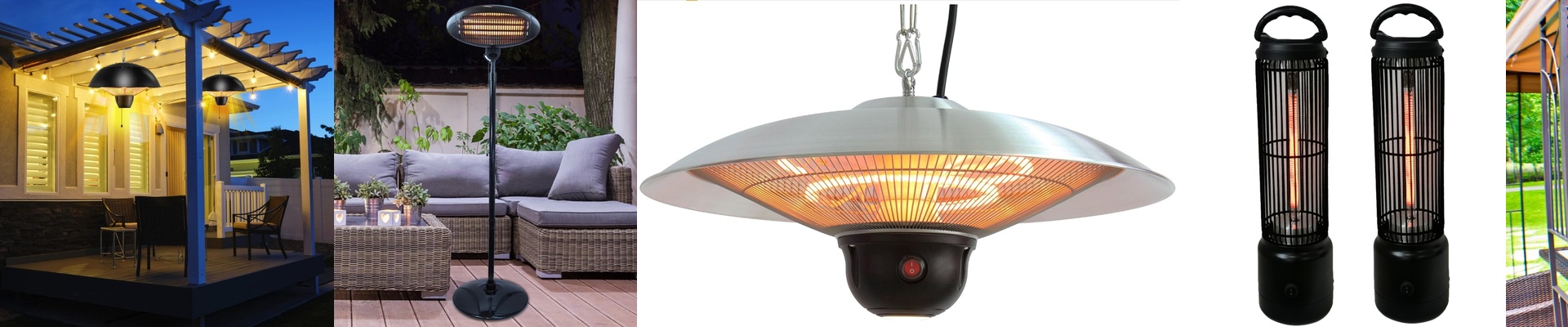
Getting the Heat Right for Glass Laser Cutting
If you’ve ever tried laser cutting glass, you know it’s not just about the beam. It’s about the foundation. If the glass isn’t sitting on a steady, precise bed of heat, you’re basically just waiting for it to crack. That’s where our support heaters come in. We keep the substrate at exactly the right temperature so you can manage that internal stress and actually get a clean cut.
More than just “custom sizes”
Most heaters just blast a uniform amount of heat across the whole thing. But if you’re working with R&D-grade materials, “uniform” usually isn’t enough. We look at power density instead. By tweaking how we wind the filaments or adjusting the wattage per millimeter, we can shape the heat. Need a hot center with tapered edges? Or maybe the other way around? We can do that. It all depends on how your specific material behaves when the laser hits it.
The trade-offs (The “catch”)
Here’s the thing: pushing more power into a smaller area is great for fast ramp-up times and tight control. But there’s a trade-off. When you cram that much wattage into a small footprint, your heater housing takes a hit. You’ve got to make sure your cooling system can handle the ambient heat rise, or you’ll end up frying your electrical terminals. To help with that, we use high-grade quartz and special coatings. It ensures the infrared emission actually matches what your glass can absorb.
Built for the lab
We want you to have room to play. Whether you’re messing around with new borosilicate blends or working with ultra-thin sheets, you can dial in the voltage and power until you hit that sweet spot of thermal equilibrium. Plus, these are designed as drop-in replacements. You can swap your thermal profiles without having to tear down and rebuild your entire jig. We’ve also wired them to handle rapid cycling. It’s a lifesaver when you’re iterating through a dozen different cutting speeds and power settings in a single afternoon.