
Why we’d rather fix your process than just sell you a part
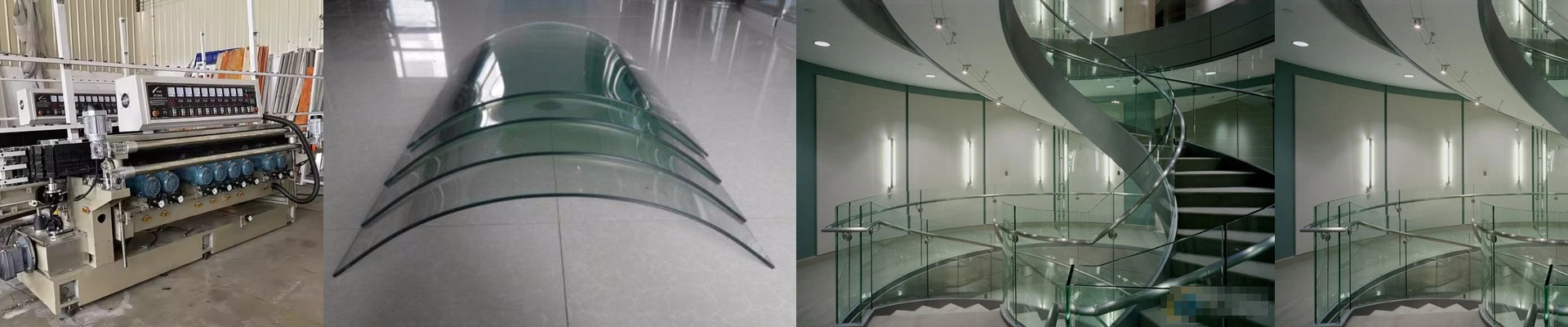
Look, selling a replacement heater is the easy part. Any catalog can do that. But making sure that heater doesn’t fry itself in six months because your heat profile is a mess? That’s where the real work happens. When you’re tempering marine glass, you aren’t just “heating things up.” You’re fighting a battle against wind loads and salt spray. If the thermal gradients aren’t perfect, the glass just won’t hold up.
The truth about heat density
Most marine lines run on high-wattage quartz lamps. On paper, it’s all about the wattage-per-centimeter. High density means you can move faster, which sounds great for your bottom line. But there’s a catch. If your lamp placement is off by even a couple of millimeters, you get “hot spots.” That’s a recipe for disaster. It leads to uneven tempering, and eventually, the glass just snaps for no apparent reason. That’s why we don’t just throw a lamp in a box and ship it. We want to look at your actual footprint to see if the power density actually makes sense for the thickness of your glass.
It’s not just “plug and play”
We use heavy-wall quartz because industrial frames are brutal. Now, some people love coated lamps because they absorb infrared better for certain glass. But you can’t just swap a clear quartz lamp for a coated one and call it a day. It changes the emissivity. If you don’t tweak your timing and temperature set-points, you’re asking for trouble. Plus, if you crank up the heat flux without checking your cooling blowers, you might actually warp your heater supports. Not a great look.
Looking past the part number
A part number tells us the voltage and the length. That’s it. It doesn’t tell us why your current heaters are dying early. This is why we’re big on field diagnostics. We want to get in there and see the thermal mapping in real-time. We look for voltage drops in those long cable runs and check if your connectors are oxidizing. We’re looking for the root cause. Maybe it’s a skewed heating curve. Maybe the airflow is just bad. Once we fix that, your new heaters actually stand a chance of lasting.