
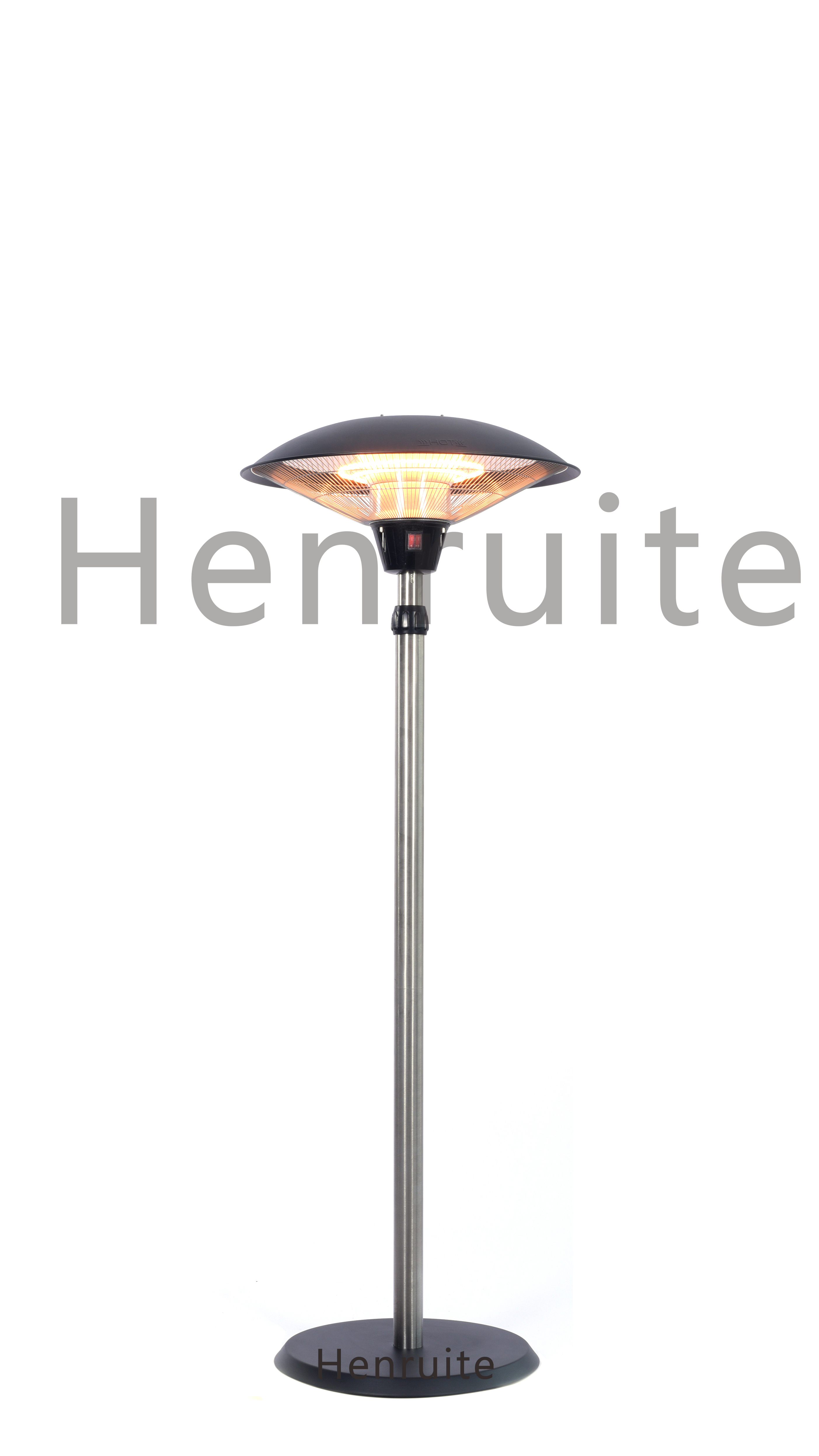
Stop Renting Scissor Lifts Every Time a Heater Dies
If you’ve ever dealt with 10-meter ceilings in a factory, you know the nightmare. Everything is a pain to reach. When a heating element finally burns out five years down the road, the last thing you want is to rewire a whole array or spend a fortune renting a heavy-duty lift for a three-day project. That’s exactly why we built our infrared radiators to be modular. We wanted to kill that “site-access” headache once and for all. The problem with the old way Most industrial radiators are hard-wired. It’s a mess. One tube fails, and suddenly a whole zone goes cold. We did things differently. We used a modular chassis. Instead of fusing the heating elements to the housing, they just sit in a slide-in frame. If a tube dies, you just pull it out and drop in a new one. You don’t have to touch the main power feed or mess around with the mounting brackets. It’s simple. The reality of the 5-year itch Look, infrared tubes aren’t immortal. Even the high-grade quartz and tungsten filaments eventually snap. It’s just physics. But with a modular setup, the swap-out takes minutes. You unplug the connector, slide the old tube out, and lock the new one in. No soldering on a ladder. No stressful electrical troubleshooting while your crew is shivering. A fair trade-off Now, here’s the honest part. Modular designs leave tiny air gaps between the element and the reflector. It’s not quite as “tight” as a welded unit. But honestly? That tiny loss in heat reflection is a steal compared to the alternative. I’d much rather lose a fraction of a percent of efficiency than lose 48 hours of production time because I’m waiting for a lift to arrive. A couple of tips to keep it running To make this work, just make sure your wiring harness can handle the max wattage of your replacement tubes. And if you decide to upgrade to higher-density elements later, double-check your breakers first. One last thing: the system is only as good as the connectors. We use high-temp ceramics so the sockets don’t melt under a constant load. Don’t skimp on those.