Dealing with “Dead Zones” in Glass Annealing
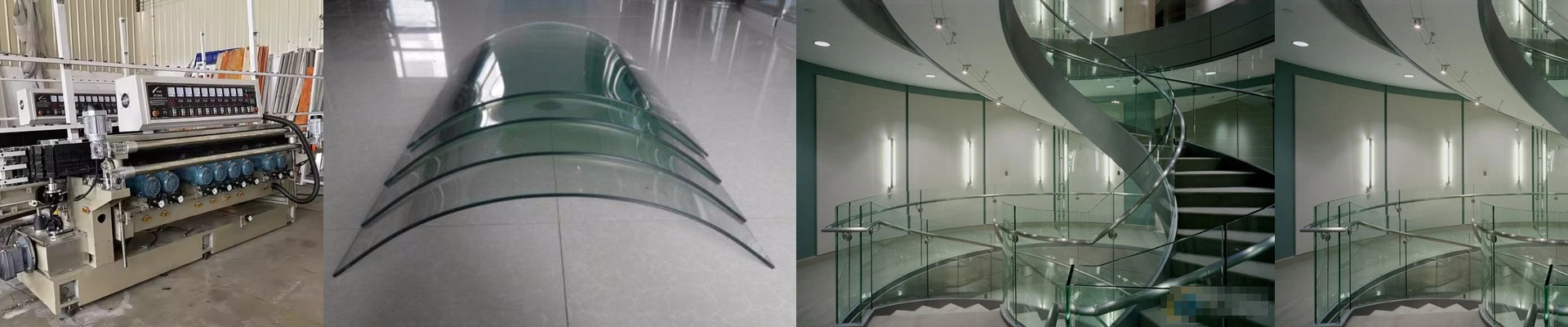
If you’ve ever worked with glassware that has a weird shape—like a narrow neck, a flared rim, or some tricky internal chambers—you know the nightmare of the annealing process. Standard convection heating is great for simple shapes, but it tends to miss the tight spots. We call these “dead zones.” When one part of your piece stays cooler than the rest, you get internal stress. And we all know where that leads:**cracks.**It’s frustrating, and it’s a waste of a good piece.
Getting the heat where it actually needs to go
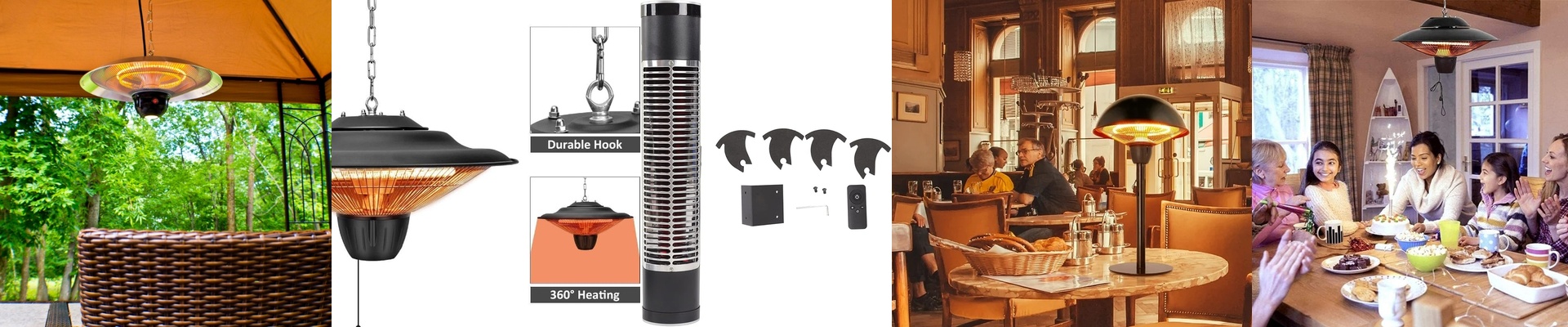
To fix this, we stop relying on hot air and start using targeted infrared (IR) lamps. Here’s the thing: IR radiation doesn’t drift around like air does. It travels in a straight line and hits the glass surface directly. By setting up a multi-angle array of quartz halogen lamps, you can basically wrap the heat around the vessel. We position them specifically to hit those “shadowed” areas that a normal kiln just ignores.
The trade-offs (because there’s always a catch)
We usually go with short-wave IR. Why? Because it packs a punch. You get to your annealing temperatures fast. But wait—you can’t just cram as many lamps in as possible. High-wattage quartz tubes get incredibly hot. If you pack them too tight just to kill every single dead zone, you’ll end up melting your mounting brackets or frying your wiring insulation. It’s a balancing act. You have to make sure your cooling system can keep up so you don’t burn out your gear.
Making it work for complex shapes
You can’t just throw some lamps in a circle and hope for the best. We actually map out the footprint of the vessel and offset the lamps. This makes sure the heat is steady across the whole thing. It means the neck of your flask finally hits the same temperature as the base. No more guessing on soak times. Once you’ve got the wiring sorted and the PID controllers calibrated, the temperature levels out. Your scrap rate drops, your stress disappears, and you can actually stop worrying about whether a piece is going to shatter the moment it cools.