Stopping the Crack: A Better Way to Anneal Glass
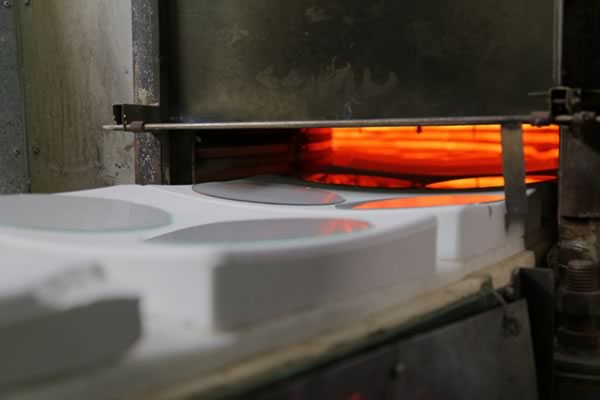
Nothing kills a production run faster than the sound of glass shattering. It usually happens because the temperature shifted too quickly, creating those nasty internal stresses that just rip the material apart. To stop that, we use shortwave infrared (IR) lamps in our annealing ovens. The secret isn’t just adding heat—it’s about controlling exactly how that heat hits the glass in real-time. The problem with old-school heaters Standard resistive heaters are sluggish. They have too much thermal mass, meaning they take forever to heat up or cool down. By the time they react, it’s often too late. IR lamps are different. They respond almost the second you tweak the voltage. If your sensors pick up a temperature spike that looks like trouble, you can kill the power instantly. It lets you follow a precise temperature curve, so the glass slides through its annealing point without any scary jumps. Getting heat where it actually matters Here is the cool part: shortwave IR actually penetrates the glass. Most heat sources just bake the “skin” of the piece, but shortwave radiation pushes the heat deep into the core. We use quartz-halogen elements to get a ton of power into a tiny space. You can hook these up to a PID controller and dial in the wattage based on how thick your glass walls are. It’s a much more surgical approach. The reality check Now, it’s not all magic. There are a few things you have to watch out for. High-wattage lamps pull a lot of juice. If you’re running a bank of 2000W lamps, make sure your wiring and contactors can actually handle the peak current. You don’t want to trade a cracked piece of glass for a burnt-out electrical panel. And keep an eye on your spacing. If the lamp is too close, you’ll get localized hot spots. You have to find that sweet spot—balancing the distance with your ramp-up speed—to keep the heat even across the whole piece. Once you nail that balance, you can stop guessing and start trusting your process.