
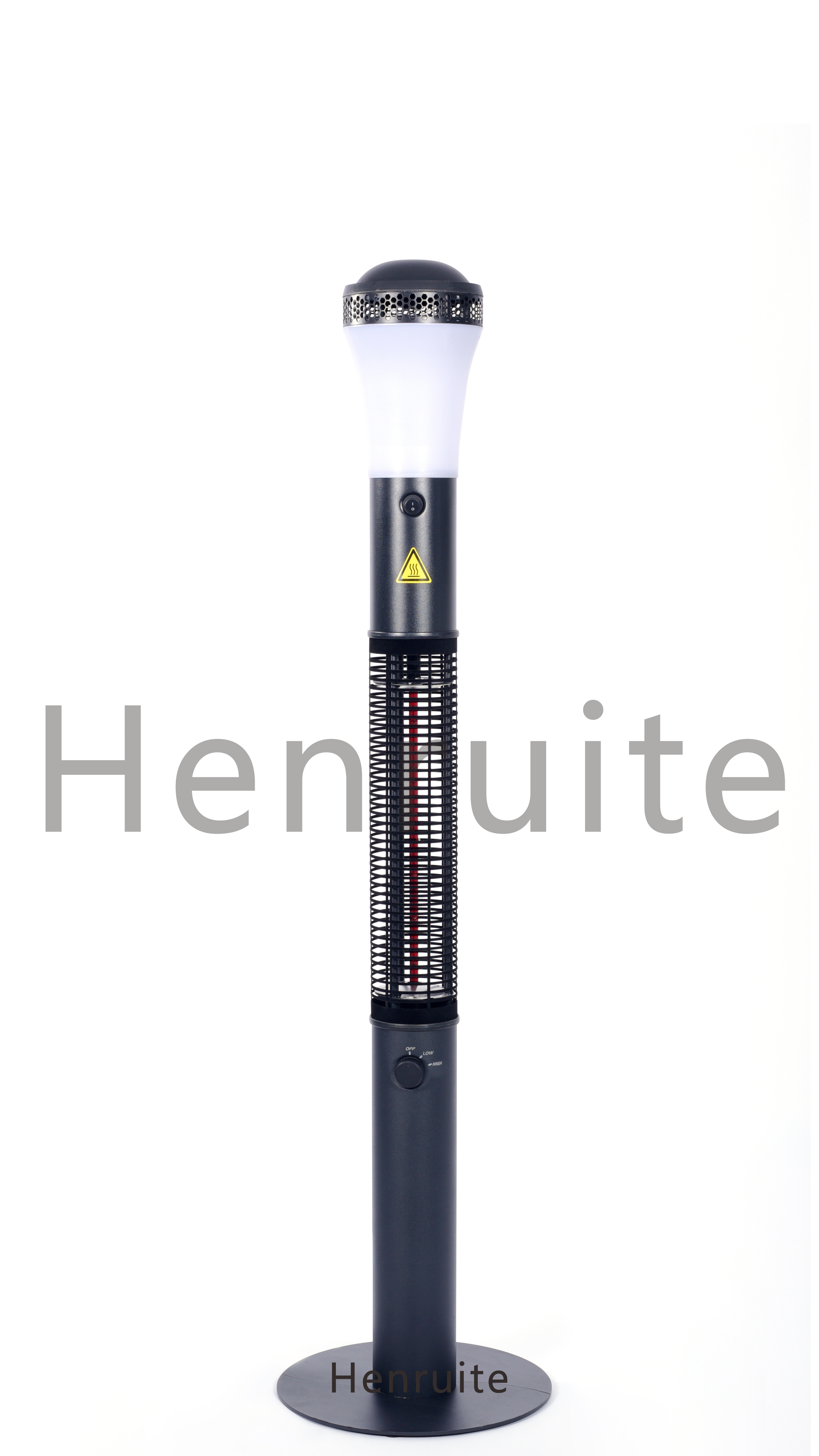
Keeping Your Infrared Heaters Safe in Wet Zones
Putting infrared lamps in a bathroom or an outdoor area is a bit of a battle. You’re fighting a constant war against steam, splashes, and condensation. And we all know what happens when water finds a live circuit—it’s a short circuit, and that’s a problem nobody wants. To keep things safe, it all comes down to two things: the barrier between the electricity and the water, and how tight the seal is between the lamp and its case.
The Deal with IP65
You’ll see “IP65” thrown around a lot. It’s not just a fancy plastic shell. It means the unit is tight enough to keep out dust and can handle a decent spray of water without blinking. The real danger zone? The termination points. That’s where the wires meet the lamp. We use silicone gaskets and beefy cable glands to stop moisture from creeping into the terminals. If water gets inside, it creates a bridge from the live element to the grounded chassis. Not great. That’s why we use heavy-duty insulating materials that can handle 90% humidity without letting a spark jump where it shouldn’t.
Heat, Expansion, and Leaks
Here’s the tricky part: quartz tubes grow. When they heat up, they expand. If you use a cheap, stiff seal, that movement will just rip it open. Once that happens, steam leaks straight onto the electrical contacts. We use flexible, high-temp seals that breathe and move with the tube. One quick tip: watch your mounting brackets. If they’re too tight or put pressure on the glass, you’ll crack the seal. And once that seal is gone, your IP rating goes with it.
Grounding and Staying Safe
We always wire these with a dedicated earth ground. Why? Because if a leak does happen, we want the breaker to trip instantly. Using a GFCI is a total must. No exceptions. Even with a perfectly sealed IP65 unit, the sheer heat from these lamps eats away at the seals over time. They don’t last forever. I’d suggest checking your gaskets every 12 months. Feel them. If they’ve become hard or you see a crack, replace them. It’s a five-minute job that keeps your home from becoming a hazard.