Stop Choosing Between Sharp Lines and Strong Glass
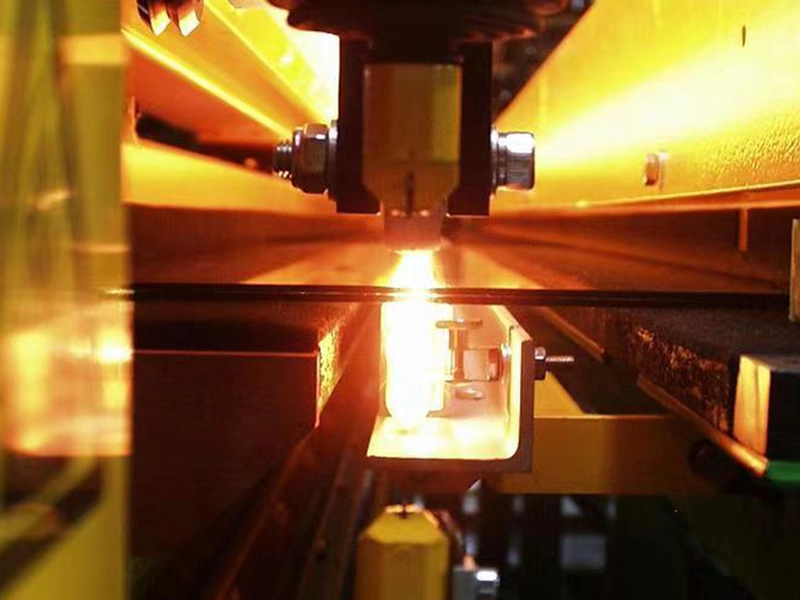
If you’ve spent any time with glass silk-screening, you know the struggle. It’s a constant tug-of-war. You need enough heat to make that ink stick for good, but if you push it too hard or take too long to get there, your crisp edges start to bleed. Worse yet, you end up with internal stress that makes the glass a ticking time bomb. We handle this by using short-wave quartz infrared lamps. Instead of slowly warming things up, these lamps hit the glass with high-density energy the second it arrives.
Why short-wave actually works
Here is the thing: short-wave IR is different. It doesn’t waste time heating up the air around the glass. Instead, it punches straight through the ink layer and hits the surface instantly. Because the heat transfer happens in a blink, we can kick off the tempering process without letting the glass “soak” in the heat for too long. That’s the secret to keeping your lines sharp. No blurring. No bleeding. Just clean patterns.
The trade-offs (because nothing is magic)
We build these lamps with high-purity quartz tubes because they have to survive some serious thermal shock. They’re tough. And since the heat density is so high, you don’t need a massive machine taking up half your shop floor. But there is a catch. That intensity can cause the glass to expand fast. If your conveyor belt is moving too slow or isn’t synced up with the lamps, you’ll get “hot spots.” That’s how you get breakage or tempering that looks splotchy. You have to get the timing right.
Getting it running on your floor
When you’re actually wiring these into your line, you want a bit of finesse. We suggest using SCR power controllers. It basically gives you a dial to tweak the heat in real-time. If you switch to thicker glass or use more ink, you just adjust the output on the fly. It’s a great way to replace old, sluggish heating elements—you’ll notice it cuts down your pre-heating time and makes your tempering curve way more stable. Just one tip: make sure your cooling fans are up to the task. These lamps put out a lot of heat, and you don’t want your housings baking in the ambient air.