




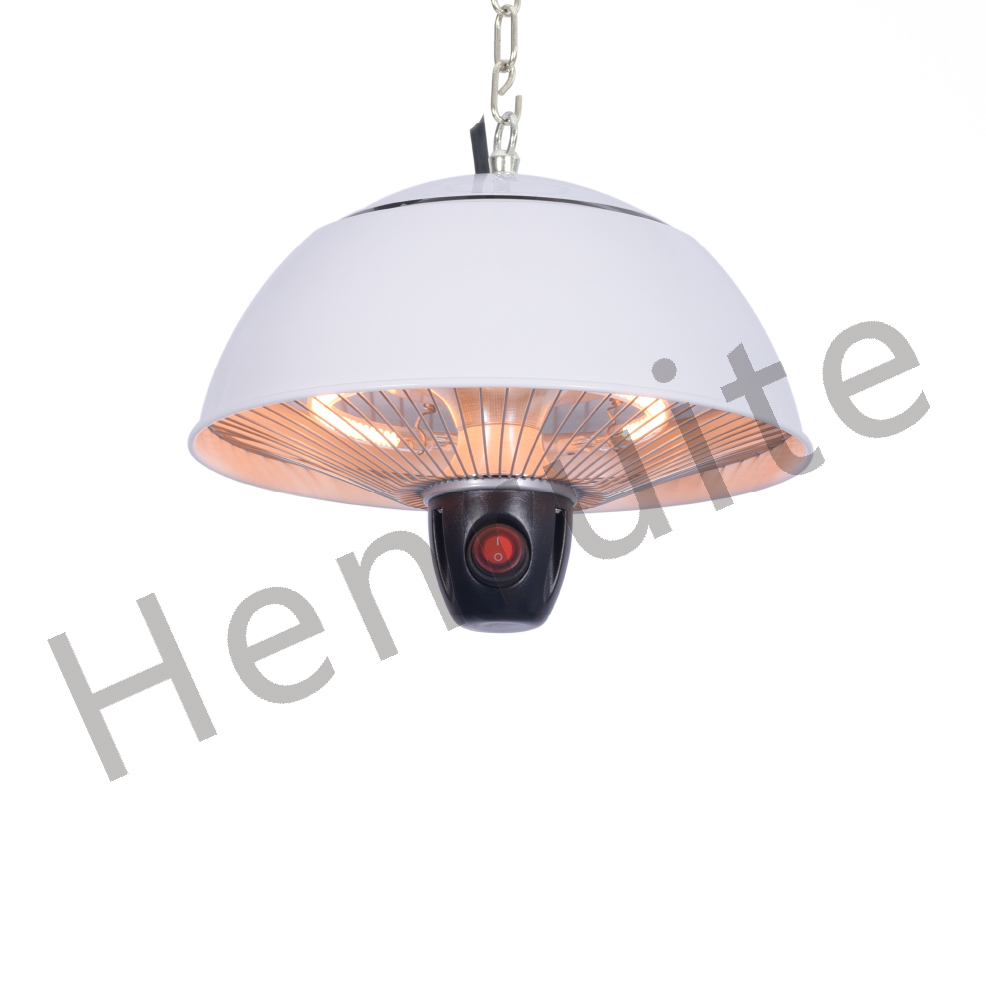
Why We’re Moving to IP65 Infrared Heaters
Ever wonder why your bathroom heater always seems to die right when you need it most? Usually, it’s because steam and moisture sneak into the housing and fry the filaments. It’s a frustrating cycle. That’s why we’ve started leaning into IP65-rated infrared elements. If you aren’t familiar with the jargon, an IP65 rating basically means the thing is sealed tight against dust and can take a spray of water from any direction without blinking. In a steamy shower, that’s a huge deal. It’s the difference between replacing your heater every couple of years and having one that actually lasts.
The Magic of Shortwave Heat
Here is the cool part: these aren’t your typical heaters that just try to warm up the air around you. These use shortwave infrared radiation. Think of it like the sun. The heat travels in a straight line and hits you directly. We wrap the tungsten filament in quartz glass, which lets the element get scorching hot almost instantly. No waiting around for the room to warm up. You flip the switch, andboom—you feel the heat immediately.
Built for the Splash Zone
To get that IP65 seal, we had to rethink where the wires meet the quartz tube. Most old-school heaters leave these gaps wide open, which is basically an invitation for steam to get in and corrode the terminals. We fixed that with specialized gaskets and sealed housings to keep the moisture out. But, a heads-up: physics is a funny thing. Because these elements get so hot, if you splash ice-cold water directly onto them, the condensation can evaporate violently. It’s a bit of a trade-off for all that power. To keep things safe, just make sure there’s enough breathing room between the unit and your ceiling so the heat can escape.
Swapping Them Out
The good news? These are designed to be drop-in replacements. If you’re ripping out an old, non-rated unit, these should fit right in. Just a couple of tips if you’re planning a renovation: check your wiring first. Shortwave elements can pull a lot of power at peak wattage, and you don’t want to overload your circuits. Also, because the seal is so tight, there’s less airflow. Make sure your housing is built to handle the heat so you don’t end up melting your plastic mounts. Not a great look.