Getting IR Heating Right for Mobile Glass Repair
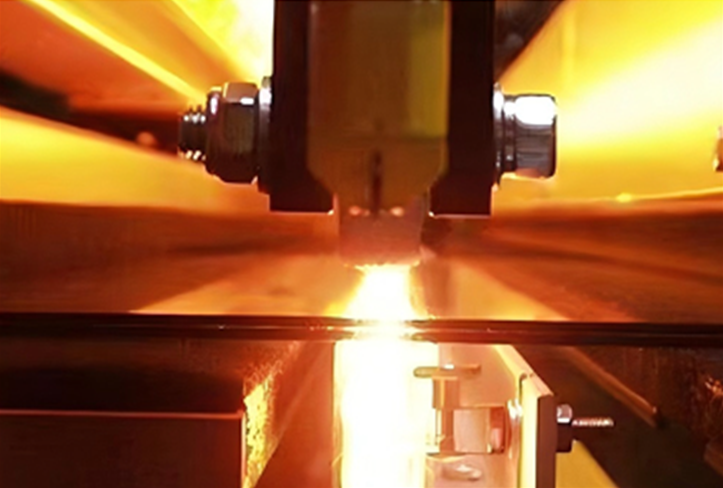
When you’re trying to cram a high-performance infrared heater into a mobile glass repair bracket, you’re basically fighting for every single millimeter. You can’t just toss in a standard lamp and pray it works. Between the tiny footprint and the unpredictable voltage of a mobile rig, you need something specific—a high-density quartz tube that hits the right temp without melting your housing into a puddle. The struggle with voltage and heat Here’s the thing: mobile setups are notorious for voltage swings. To get the wattage you need out of a tiny tube, we have to be incredibly precise with the filament’s length and voltage. By packing more wattage into a shorter tube, we crank up the heat density. That’s the secret to getting the glass to that softening point quickly. But you’ve got to watch your power supply. If you get a sudden spike, you’ll fry the filament before you can even blink. Making it last We use high-purity quartz because it can take a beating from thermal shock. To keep these things from burning out, we rely on the internal halogen cycle. It basically takes the tungsten that evaporates and puts it right back onto the filament. It stops the wire from thinning out. Plus, we keep the tube diameter small. Less mass means the lamp hits full blast in seconds, not minutes. The trade-offs Going small isn’t free. When you have that much heat in such a tight spot, you get nasty hotspots. If the tubes are too close to the bracket frame, that frame is going to warp. You’ll need some decent heat shielding or an aluminum heat sink to pull that warmth away from your electronics. You don’t want your gear cooking itself while you’re working. We also make these as drop-in replacements. We use standard connectors so if a tube blows in the field, you just swap it out and keep moving. No rewiring the whole rig. No downtime. Just get the job done.