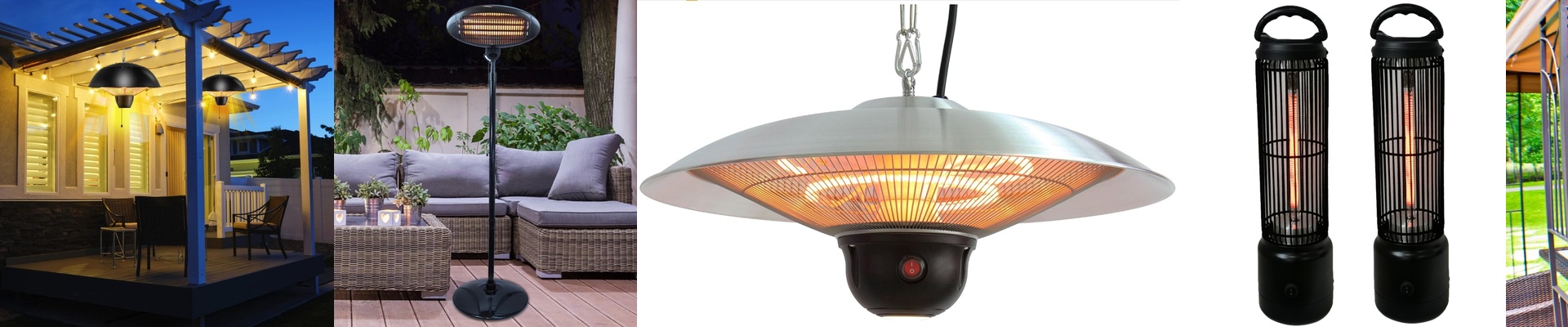
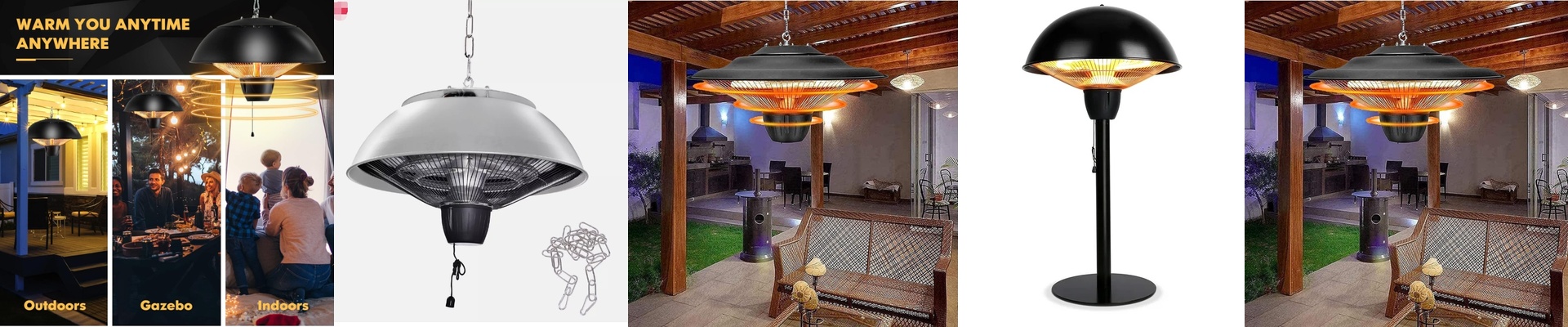


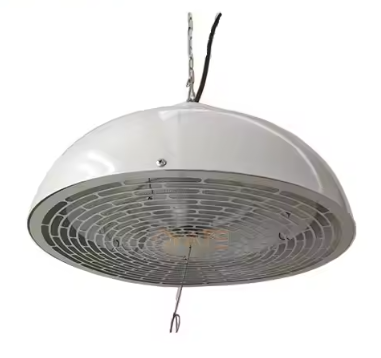
Why We Put Our Bathroom Heaters Through a “Steam Torture Test”
Let’s be honest: bathrooms are a nightmare for electronics. You’ve got freezing cold air one minute and a thick, heavy cloud of steam the next. It’s the kind of environment that just eats electrical components for breakfast. Most companies just check if a lamp turns on and call it a day. We don’t. We put our infrared heaters through something called damp-heat aging tests. Basically, we try to break them before they ever get to your house.
The battle against steam
Here is the problem: water vapor is sneaky. It finds the tiniest gaps in seals and connectors that you can’t even see. When you take a hot shower, that moisture settles on the cool parts of the lamp. Then, you flip the switch. The heater kicks in, and that water instantly flashes into steam. This happens over and over—expanding and contracting—which puts a ton of stress on the quartz glass and the electrical connections. If the housing isn’t perfectly sealed, moisture gets into the wiring. That leads to rust, corrosion, and eventually, a short circuit. Nobody wants their bathroom light to pop and go dark mid-shower.
What we’re actually looking for
We toss these units into a high-humidity chamber, crank up the heat, and leave them there for a long time. We’re hunting for three things: **Rusty terminals.**We check if the connectors are oxidizing. If they do, the resistance goes up and the wires can actually burn out. **Warped seals.**We make sure the gaskets don’t crack or shrink when they get blasted with heat. **Leaking insulation.**We need to know the insulation still works even when it’s completely soaked.
The trade-off
Now, we could make these lamps cheaper and lighter. We could use thinner seals and skip the expensive anti-corrosion coatings. But there’s a catch. A cheap lamp might feel great for six months. Then, the seal degrades, the humidity seeps in, and suddenly you’re tripping your circuit breaker. We chose the “heavy-duty” route. It makes the units a bit heavier and a little more expensive to build. It even makes them harder to repair in the field because everything is so tight. But we’d rather give you a sturdy piece of gear that just works, year after year, without any surprises.