Keeping Your Bathroom Warm (Without Blinding Yourself)
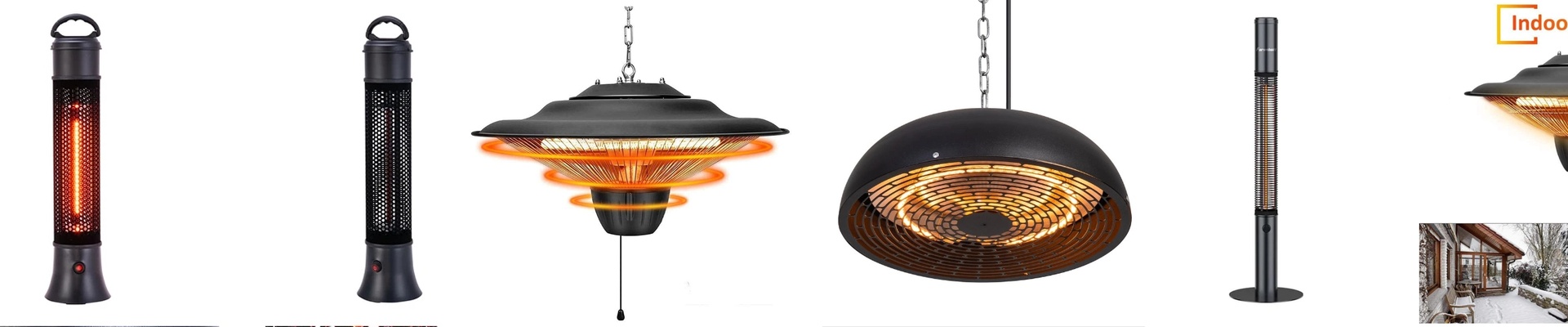
Building a bathroom heater isn’t as simple as just sticking a heating element in a box. You’ve got steam everywhere and, more importantly, people—including babies—who might look directly at the light. That’s why we use IPX4-rated housings. Basically, it means the unit can take a few splashes of water without blowing a fuse or shorting out.
The Battle Between Heat and Glare
Standard short-wave infrared lamps are bright. Like, blindingly bright. If you’ve ever looked at one, you know that harsh glare is no joke, and it’s definitely not something you want near sensitive eyes. To fix this, we use a special spectral filter or a coated quartz envelope. It shifts the light away from that intense blue-light range. Here’s the trade-off: by narrowing the spectrum, we lose a tiny bit of raw brightness, but we keep all the heat. You still get warm the second you step out of the shower, but you aren’t straining your retinas to do it.
Staying Dry While Staying Cool
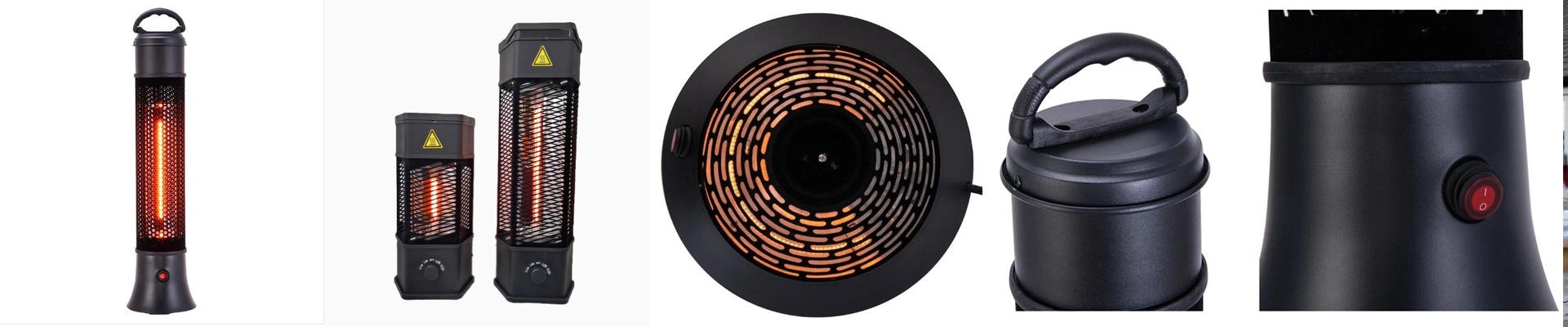
An IPX4 rating is great, but it’s a bit of a balancing act. We use silicone gaskets and hydrophobic seals to keep the water out of the circuitry. But you can’t just seal the whole thing airtight. If you do, the heat builds up inside and fries the electronics. Instead, we use a vented chassis. It’s a clever little design that lets the hot air breathe and escape, but keeps the water droplets from sneaking into the electrical terminals.
Getting It Up and Running
We keep things simple with standard R7s or similar plug-and-play connectors. If a lamp goes out, you can swap it in seconds. One quick tip for installation: make sure the mounting bracket is tight. Those quartz tubes expand when they heat up quickly. If the fit is too loose, you’ll hear an annoying rattle every time you turn it on. And if you’re putting these in a really steamy room, just give the seals a quick check once a year. It only takes a minute, but it stops moisture from creeping into the ballast over time.